By Johnny Maravelis
•
November 23, 2026
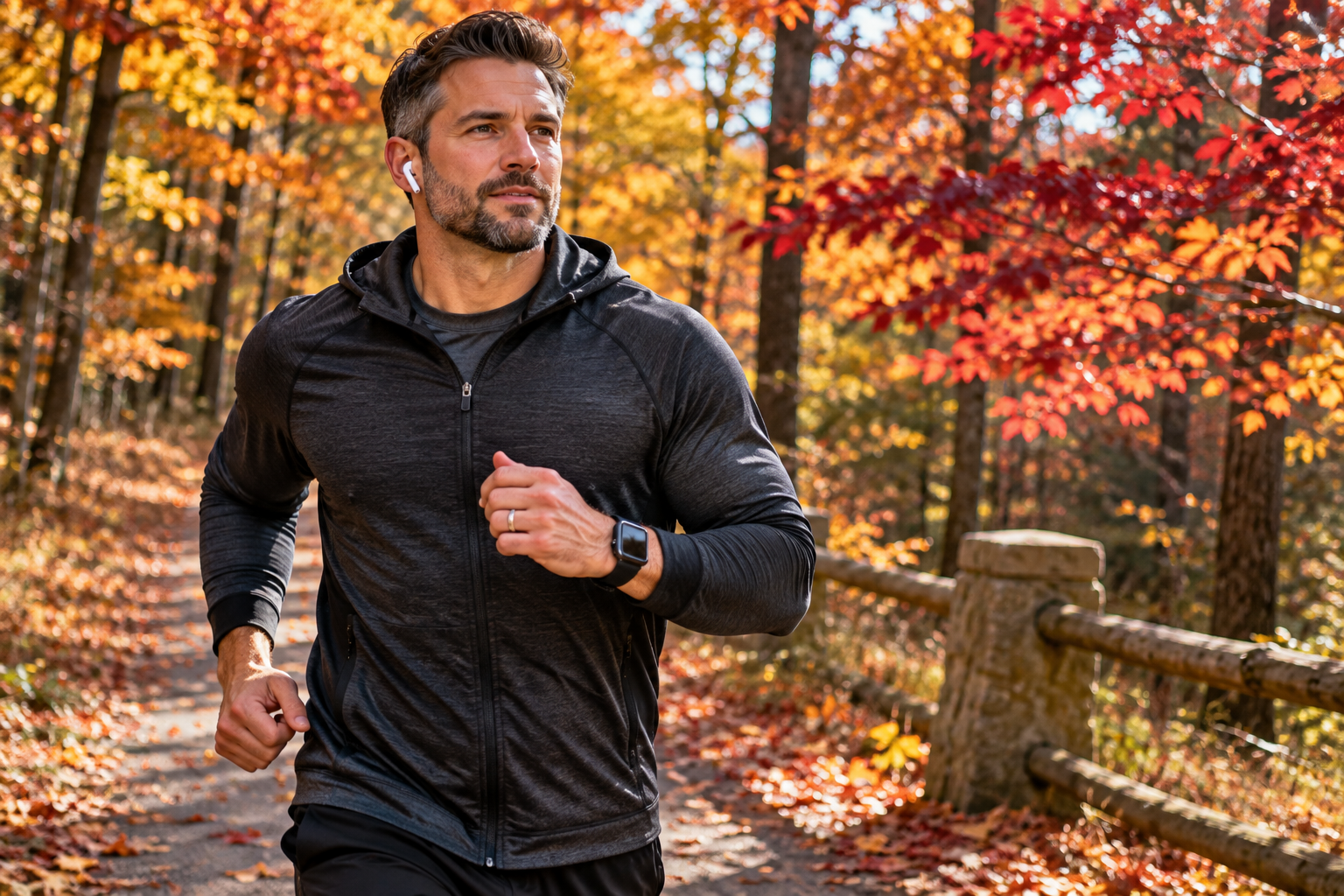
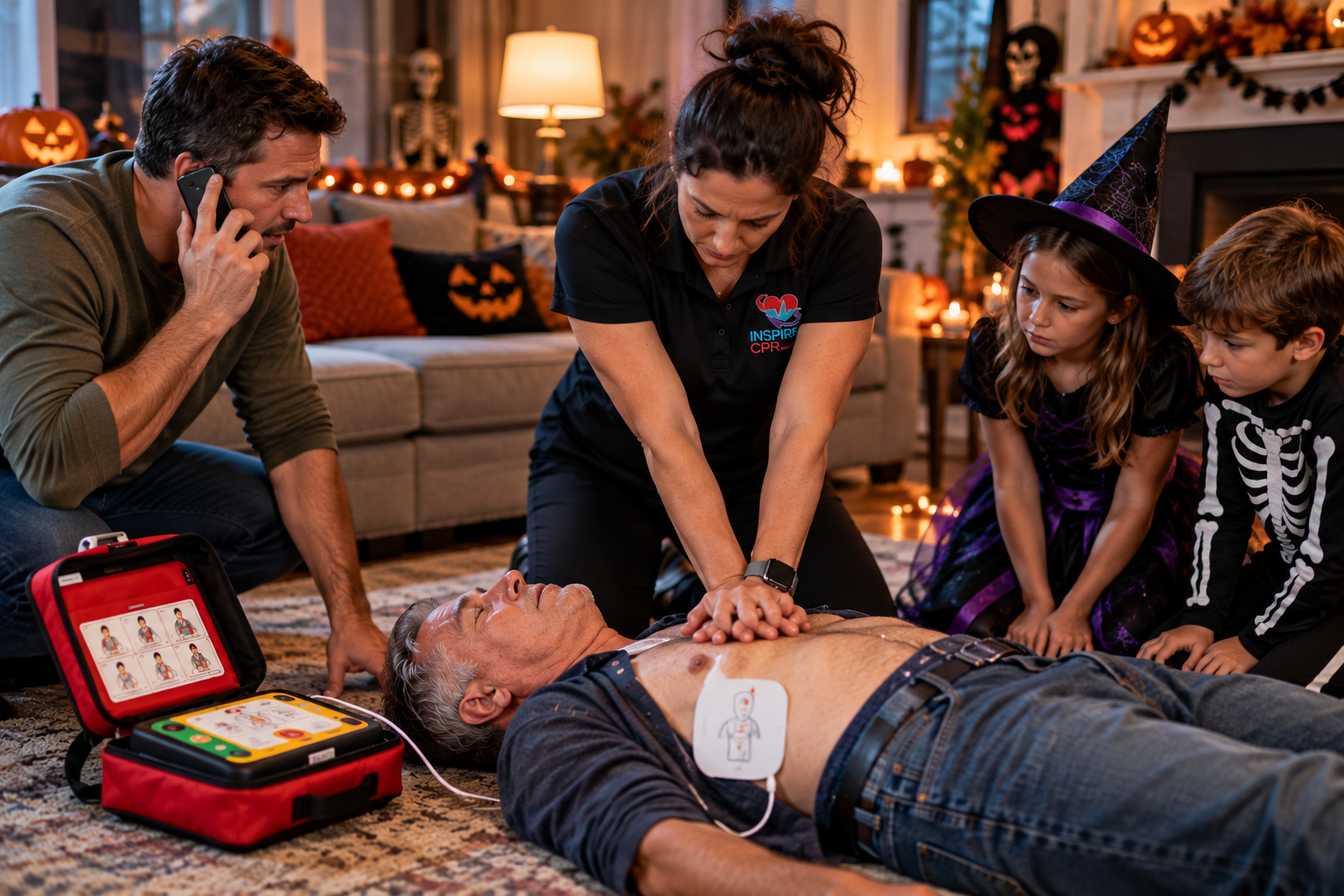
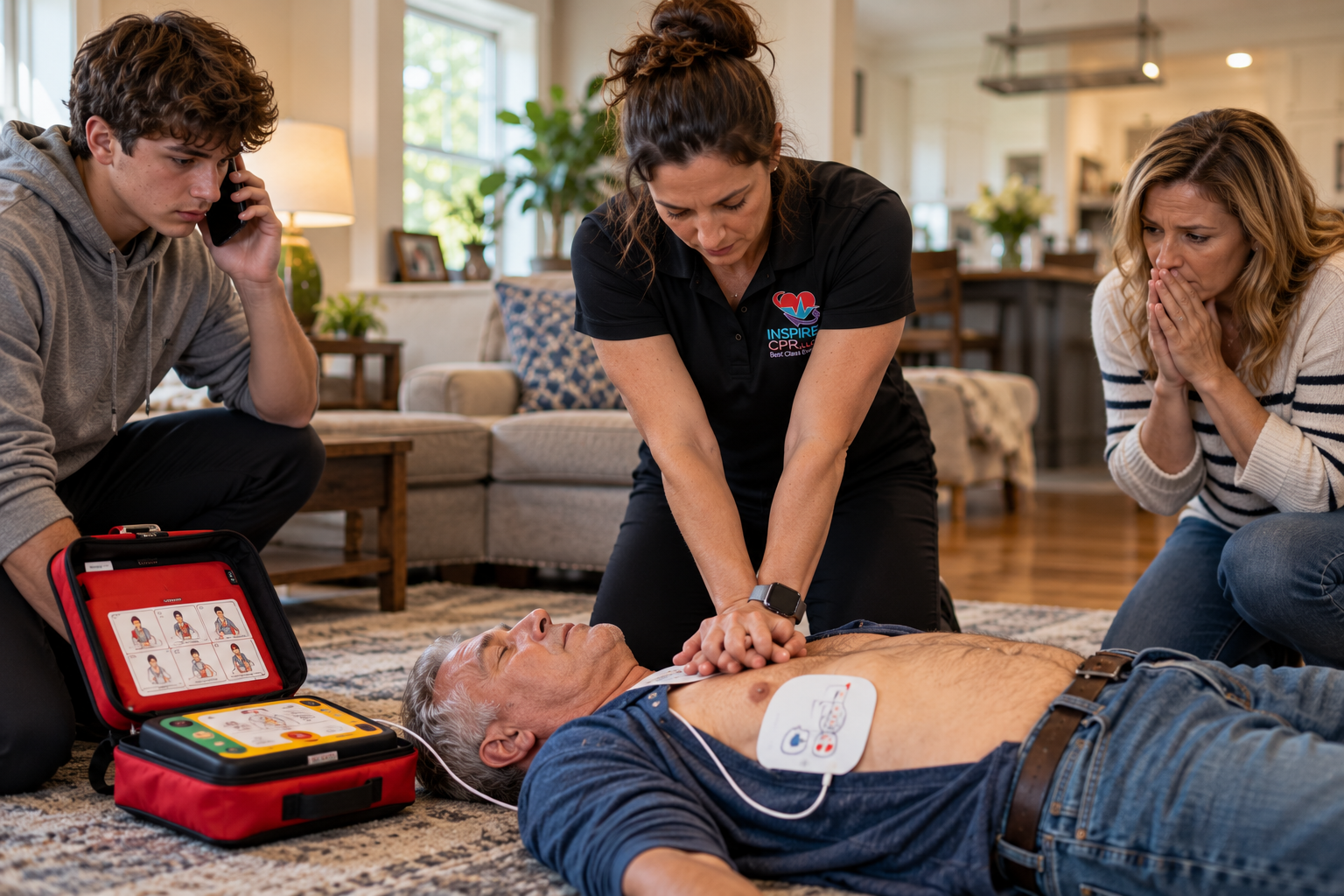
There is something special about getting outside for a run in the fall. The cooler temperatures, changing leaves, and crisp autumn air make it a great time to lace up your sneakers and get moving. Running is one of many activities that can help strengthen your cardiovascular system. Regular physical activity supports heart health, helps manage blood pressure, improves fitness, and can contribute to maintaining a healthy weight. But there is another side to fall fitness that every runner, walker, cyclist, and spectator should understand: What happens if someone suddenly collapses while exercising? Would you know what to do? Why Running Is Good for Your Heart Your heart is a muscle, and like other muscles, it benefits from regular exercise. Running challenges your cardiovascular system by increasing your heart rate and requiring your body to deliver more oxygen to working muscles. With consistent physical activity, you can improve cardiovascular fitness and support your overall health. Some potential benefits include: Improved cardiovascular endurance Better blood pressure management Improved blood sugar regulation Support for maintaining a healthy weight Reduced risk of cardiovascular disease over time Improved mood, energy, and overall well-being You don't have to run a marathon to benefit. Brisk walking, cycling, swimming, and other aerobic activities can also support heart health. The American Heart Association generally recommends at least 150 minutes of moderate-intensity aerobic activity or 75 minutes of vigorous activity each week for adults, along with muscle-strengthening activities. Can Running Cause Cardiac Arrest? Running itself is generally beneficial for heart health. However, strenuous exercise can sometimes trigger a cardiac event in someone with an underlying heart condition. Sudden cardiac arrest occurs when the heart's electrical system malfunctions, causing it to stop pumping blood effectively. It is different from a heart attack, although a heart attack can sometimes lead to cardiac arrest. Cardiac arrest can happen during exercise, even in people who appear physically fit. It is uncommon, but recognizing the warning signs and responding quickly can make a life-saving difference. Pay attention to symptoms such as: Chest pain, pressure, or discomfort Unusual shortness of breath Dizziness or lightheadedness Fainting or near-fainting Heart palpitations accompanied by weakness or discomfort Stop exercising and seek medical attention if you experience concerning symptoms. Call 911 for possible heart attack symptoms rather than trying to finish your workout. Someone Just Collapsed on the Running Trail. Now What? Imagine you're enjoying an autumn walk when you see a runner ahead of you suddenly collapse. At first, you might assume they tripped, became exhausted, or experienced dehydration. But if the person is unresponsive and isn't breathing normally, they could be experiencing sudden cardiac arrest. Don't assume someone is simply taking a break. Seconds matter. Here's what to do: 1. Check for Responsiveness Make sure the area is safe. Tap the person's shoulders and shout, "Are you OK?" If they don't respond, treat the situation as an emergency. 2. Call 911 Ask someone nearby to call 911 and report a possible cardiac arrest. If other people are present, give specific instructions: "YOU call 911!" "YOU find an AED!" Assigning specific people helps prevent everyone from assuming someone else has already called. 3. Start Hands-Only CPR If the person is unresponsive and not breathing normally, or is only gasping, begin CPR. For an adult: Place the heel of one hand in the center of the chest. Place your other hand on top and interlock your fingers. Push hard and fast. Aim for 100–120 compressions per minute. Allow the chest to return to its normal position between compressions. Don't stop unnecessarily. Continue until the person shows signs of life, emergency responders take over, or you cannot continue. 4. Use an AED as Soon as Possible An Automated External Defibrillator (AED) may be available at a nearby gym, school, recreation facility, business, or public building. Turn it on, follow the voice prompts, and attach the pads as directed. The device will analyze the heart rhythm and tell you whether a shock is advised. You do not need to be a medical professional to use an AED. Follow its instructions and resume CPR when directed. Why CPR Training Matters for Runners and Everyone Else You might never witness a cardiac emergency while running. But you could encounter one at a local park, on a neighborhood sidewalk, at a race, or even in your own home. Knowing CPR and how to use an AED gives you the confidence to act instead of standing by wondering what to do. If you run with friends or participate in local races, consider making CPR and AED awareness part of your fitness community's safety plan. Keep Your Heart Healthy This Fall Enjoy the cooler weather, stay active, listen to your body, and make time for regular exercise. Your heart benefits from consistent movement, but being prepared for an emergency is just as important. At Inspire CPR, we offer American Heart Association CPR, AED, and First Aid training in Amesbury, MA. Whether you're a healthcare professional, fitness enthusiast, coach, business owner, or simply someone who wants to be prepared, learning CPR could help you save a life. Don't just get your heart pumping. Know how to help when someone else's heart stops. Inspire CPR, LLC 110 Haverhill Rd, Building C Amesbury, MA 01913 Serving Amesbury, Newburyport, Salisbury, Haverhill, Merrimac, Newbury, West Newbury, Rowley, and surrounding communities. Sources American Heart Association – The American Heart Association Diet and Lifestyle Recommendations American Heart Association – Treatment of Cardiac Arrest American Heart Association – What Is CPR? CDC – About Cardiac Arrest