Which CPR Class Do I Need? A Guide to Choosing the Right AHA Course
If you've decided it's time to learn CPR, you may be surprised to discover that there isn't just one CPR class.
The American Heart Association offers several different courses designed for different situations, professions, and levels of responsibility. Choosing the right course is important because the class you need for a healthcare job may be very different from the training required for a childcare provider, teacher, fitness professional, or parent.
If you're looking for CPR classes in Amesbury, MA, Inspire CPR can help you understand your options and find the training that fits your needs.
BLS for Healthcare Providers
If you're a healthcare professional, BLS is likely the course you're looking for.
Basic Life Support (BLS) is designed for healthcare professionals and other trained responders who need to know how to respond to cardiac arrest, respiratory emergencies, and other life-threatening situations.
BLS training includes high-quality CPR, AED use, team dynamics, and other skills appropriate for healthcare settings.
BLS may be required for nurses, physicians, EMTs, paramedics, dental professionals, medical assistants, students entering healthcare programs, and other healthcare workers.
If your employer, school, or healthcare facility specifically tells you that you need AHA BLS, be sure to register for the BLS course rather than a general Heartsaver CPR class.
Heartsaver CPR/AED
Heartsaver CPR/AED is designed for people who are not healthcare professionals but need or want CPR and AED training.
This can include:
- Childcare providers
- Teachers
- Coaches
- Fitness professionals
- Restaurant and hospitality employees
- Workplace employees
- Parents and caregivers
- Community members
The course teaches CPR and AED skills for responding to cardiac emergencies and is designed to help people with little or no medical training become prepared to respond.
If your employer simply says you need "CPR certification," it's a good idea to ask which specific course they require before registering.
Heartsaver First Aid
CPR and First Aid are related, but they aren't the same thing.
CPR is primarily focused on responding to cardiac and breathing emergencies. First Aid covers a broader range of injuries and illnesses that may require immediate attention.
Depending on your workplace or responsibilities, you may need First Aid certification in addition to CPR/AED training.
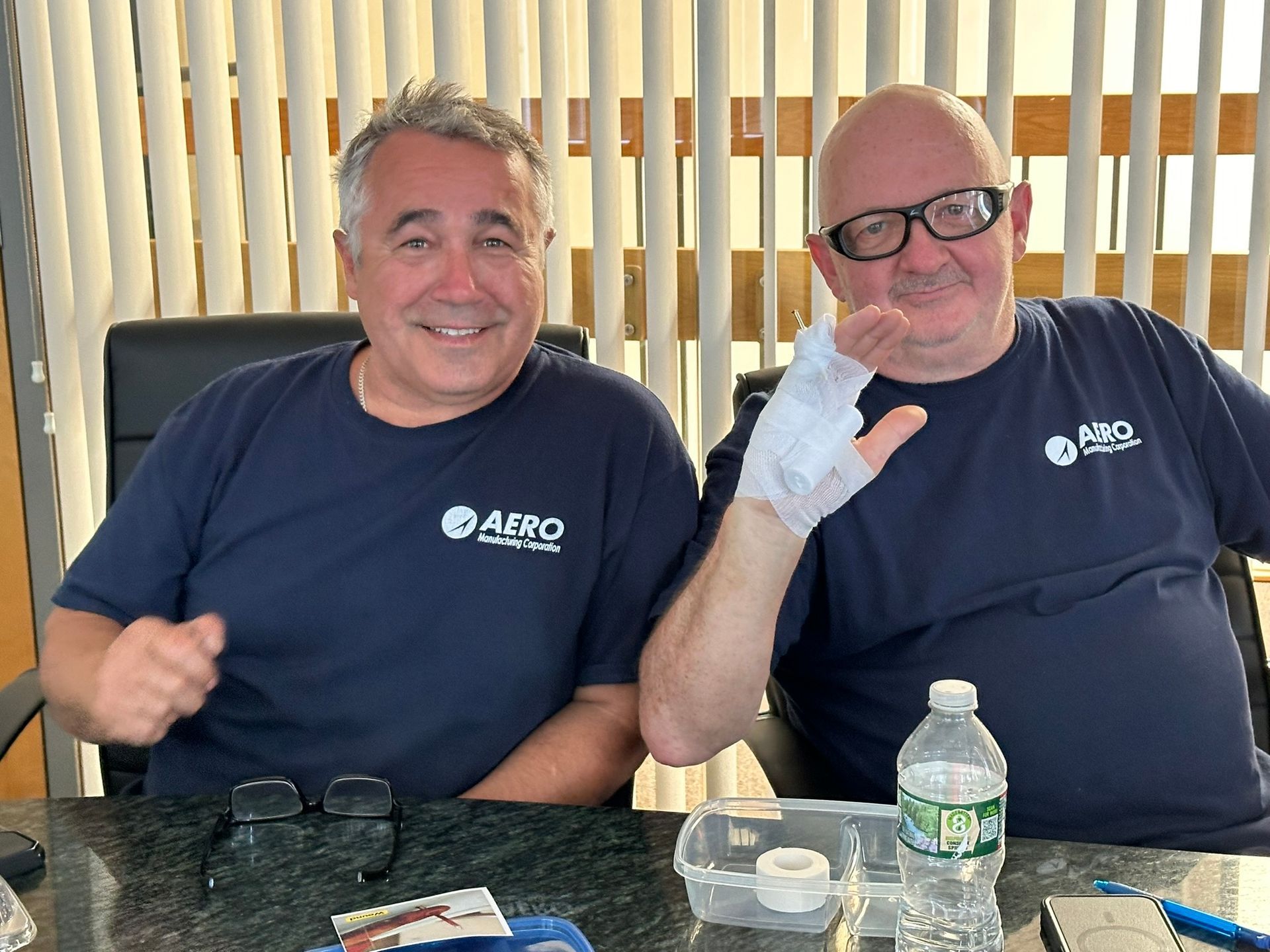
First Aid training can cover situations such as injuries, bleeding, burns, allergic reactions, sudden illness, and other emergencies that can occur before professional medical help arrives.
If your employer requires CPR and First Aid certification, make sure you select a course that includes both rather than assuming CPR training automatically covers First Aid.
Pediatric CPR and First Aid
Adults aren't the only people who may need emergency care.
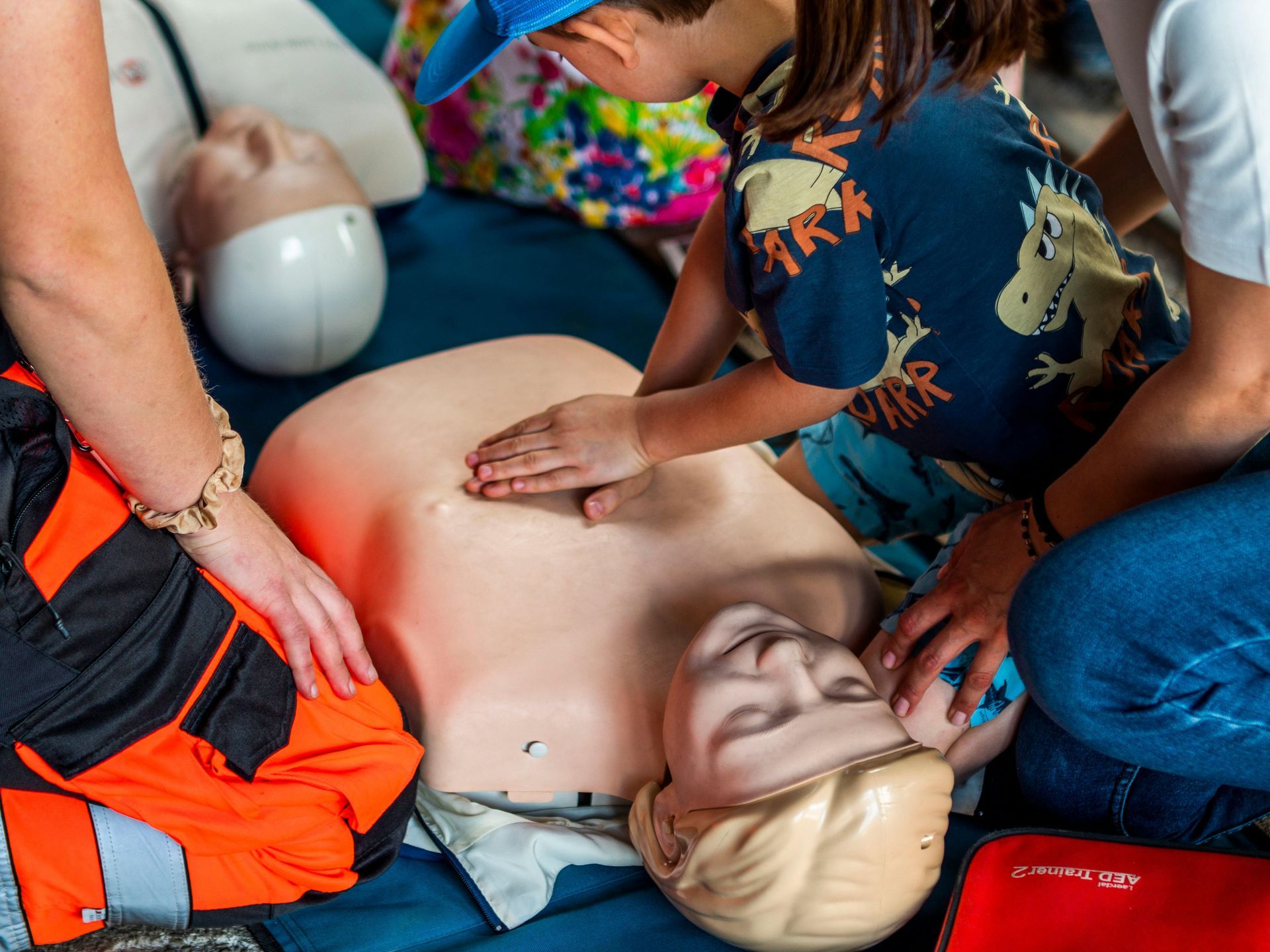
People who regularly care for or work with children may need pediatric CPR and First Aid training. This can be particularly relevant for childcare providers, teachers, coaches, parents, babysitters, and other caregivers.
Pediatric training focuses on responding to emergencies involving infants and children.
If you work in childcare or another profession where you are responsible for children, check with your employer or licensing organization to determine exactly which certification is required.
Friends & Family CPR
Not everyone needs a formal CPR certification card.
Some people simply want to learn what to do if a family member, friend, or other person experiences a cardiac emergency.
Friends & Family CPR is designed as a community education option for people who want to learn basic CPR and emergency-response skills.
It can be a great starting point for someone who wants to become more comfortable with CPR and AED use without needing professional certification.
Do I Need CPR, AED, First Aid—or All Three?
This is one of the most common questions people have. The answer depends on your situation. Some people only need CPR/AED training. Others may need both CPR/AED and First Aid. Healthcare professionals may need BLS. People working with children may need pediatric CPR and First Aid.
Your employer, school, licensing organization, or professional facility should be able to tell you what certification is required. When in doubt, ask before you register. It is much easier to choose the right class before training than to discover afterward that you completed the wrong course.
What's the Difference Between CPR Training and Certification?
You'll often hear people use "CPR training" and "CPR certification" interchangeably, but it's helpful to understand the distinction. Training teaches you the skills and knowledge needed to respond to an emergency. Certification indicates that you successfully completed the requirements of a particular certification course.
The requirements and certification period depend on the specific American Heart Association course. Your employer or organization may also have its own requirements regarding which certification they accept. That's why it's important to select the correct course rather than simply choosing the first CPR class you see.
What If I'm Not Sure Which Class I Need?
Don't guess. If you're registering for a class because your employer, school, or organization told you that you need CPR certification, check their requirements first. Look for specific wording such as:
AHA BLS
CPR/AED
Heartsaver CPR
Heartsaver First Aid
CPR and First Aid
Pediatric CPR/First Aid
If you're still unsure, contact the organization requiring the training or reach out to Inspire CPR before registering. We can help point you toward the appropriate course.
Finding CPR Classes in Amesbury, MA
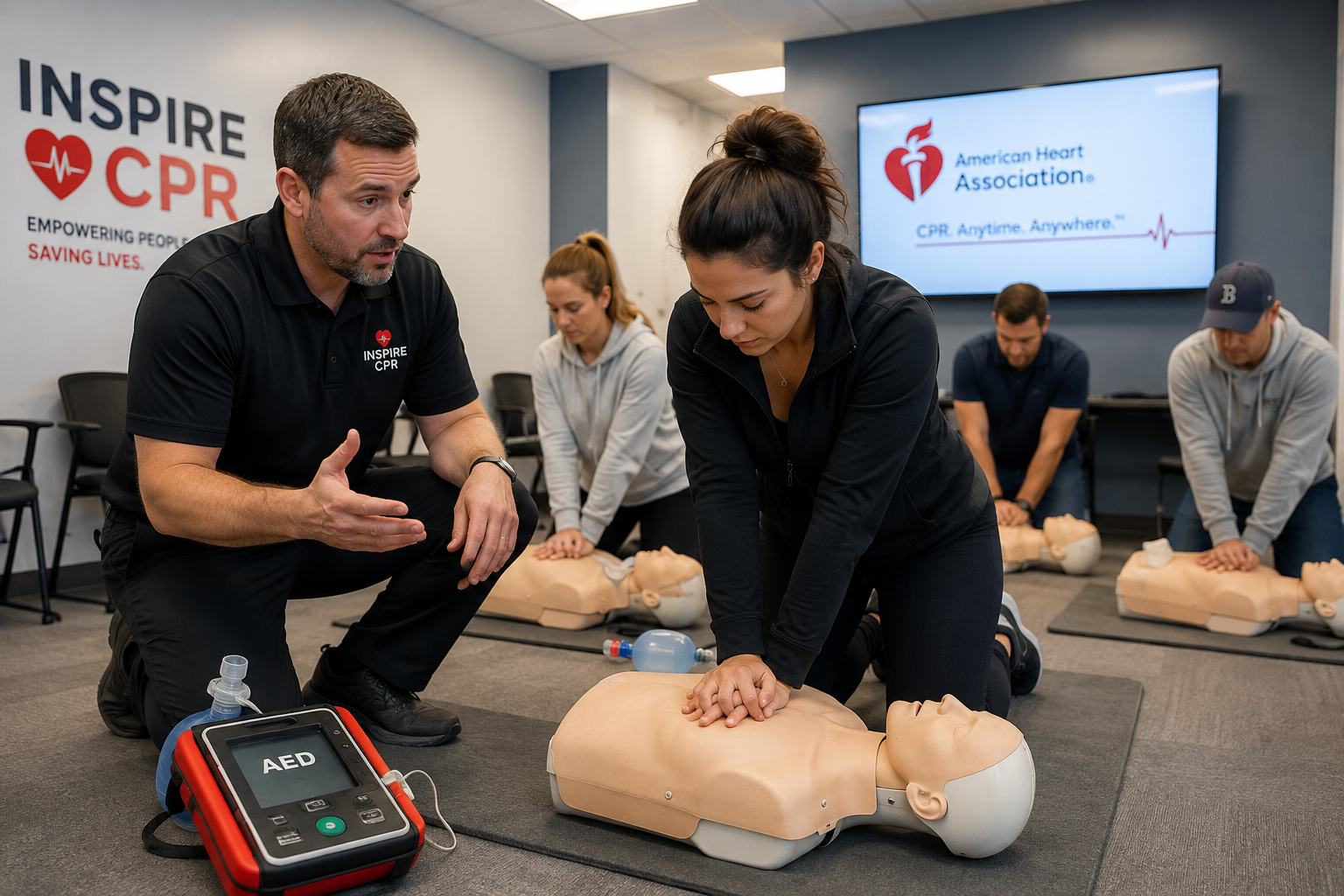
Inspire CPR offers American Heart Association training for healthcare professionals, businesses, childcare providers, families, community members, and other organizations.
We're conveniently located at:
Inspire CPR, LLC
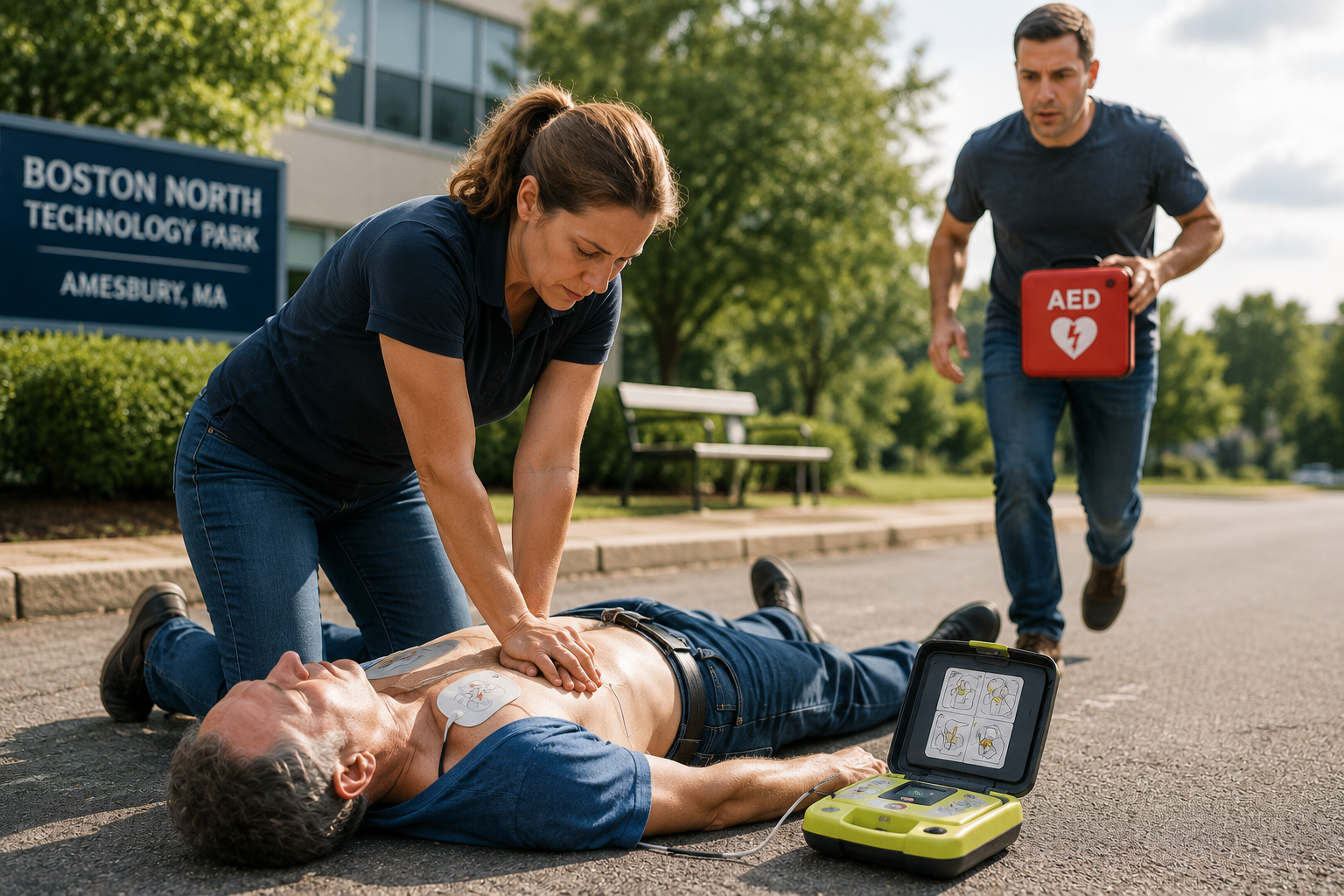
Boston North Technology Park
110 Haverhill Rd, Building C
Amesbury, MA 01913
Our location serves students looking for CPR classes in Amesbury, MA, as well as people traveling from nearby communities including Newburyport, Salisbury, Haverhill, Merrimac, Newbury, West Newbury, Rowley, and surrounding areas.
Group and workplace training may also be available at your location by request.