Why Every Workplace Should Have Employees Trained in CPR and First Aid

Johnny Maravelis • September 29, 2026

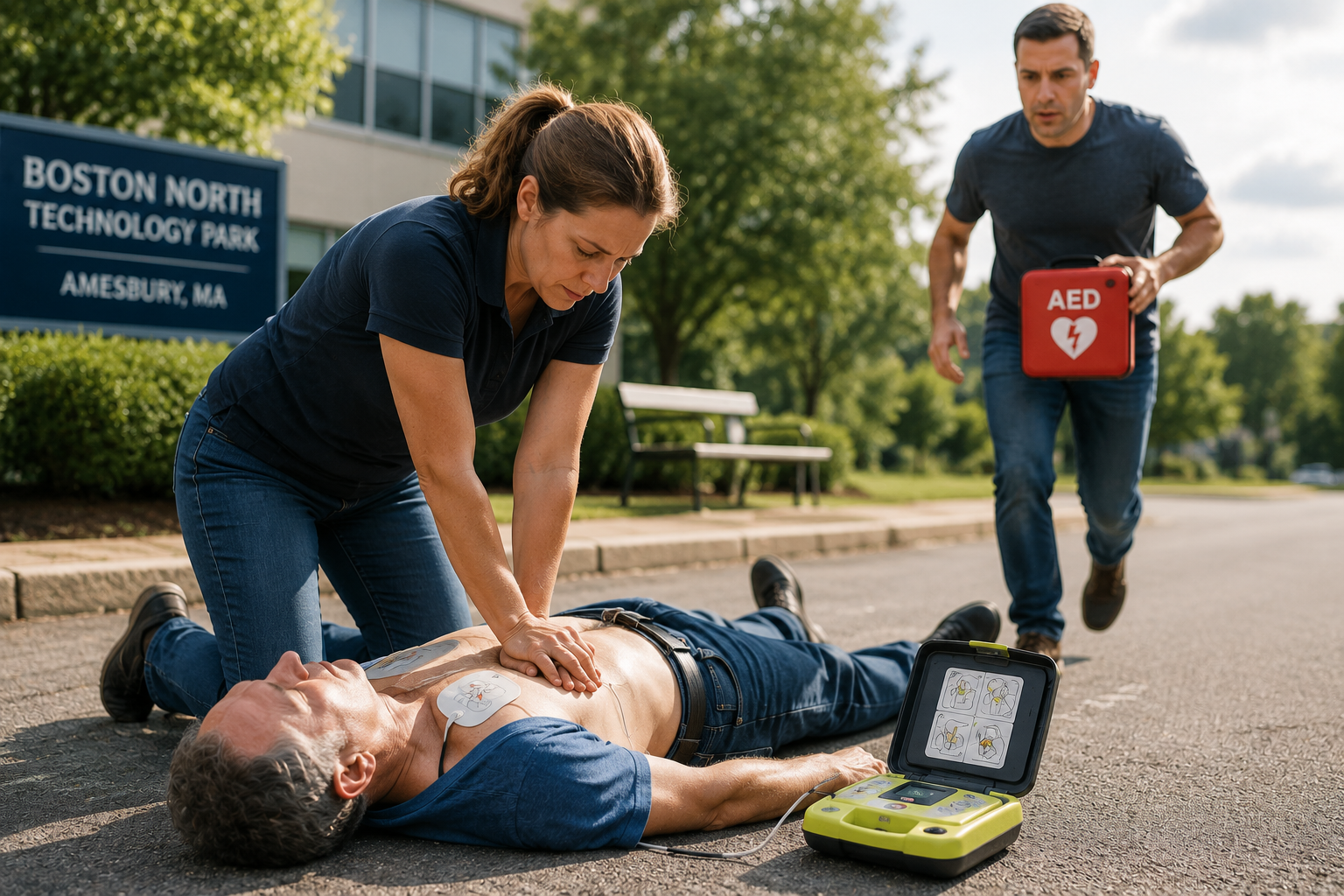
Emergencies don't wait until everyone is prepared.  A medical emergency can happen in an office, restaurant, fitness center, construction site, childcare facility, school, warehouse, or any other workplace.  When something happens, the first person able to help may be a coworker standing just a few feet away.

That's why workplace CPR and First Aid training can be such an important part of emergency preparedness.  For businesses searching for CPR training in Amesbury, MA, Inspire CPR provides American Heart Association training for organizations, employees, and community groups.

CPR Training Isn't Just for Healthcare Workers

When people hear "CPR certification," they often think about doctors, nurses, and other healthcare professionals.  But workplace emergencies happen everywhere.

An employee may witness a coworker suddenly collapse. A customer may experience a medical emergency in a restaurant. Someone may suffer an injury at a job site. A child may need assistance at a childcare facility.  Having employees who know what to do can help an organization respond immediately while professional emergency services are on the way.

Why First Aid Matters Too

CPR is critical during cardiac and breathing emergencies, but many workplace emergencies involve something else.

An employee might experience:

  • A cut or serious bleeding
  • A burn
  • A fall
  • A broken bone
  • A sudden illness
  • An allergic reaction
  • A choking emergency
  • Another injury requiring immediate attention

First Aid training helps employees recognize these situations and provide appropriate initial assistance.  Depending on the workplace, CPR and First Aid training can complement one another as part of a broader emergency preparedness plan.

AED Training Adds Another Layer of Preparedness

Many businesses and public facilities have an AED available for emergencies.  But simply having an AED on the wall isn't enough if nobody feels comfortable using it.  CPR and AED training can help employees understand what an AED does, where it fits into the response to cardiac arrest, and how to follow its instructions.  American Heart Association training incorporates AED education into appropriate CPR/AED courses (1).

Which Businesses Can Benefit From CPR Training?

Almost any organization can benefit from having people who know how to respond to an emergency.

For example:

Restaurants and Hospitality

Restaurants have employees and customers on-site throughout the day. A medical emergency could happen at any time.

Fitness Centers

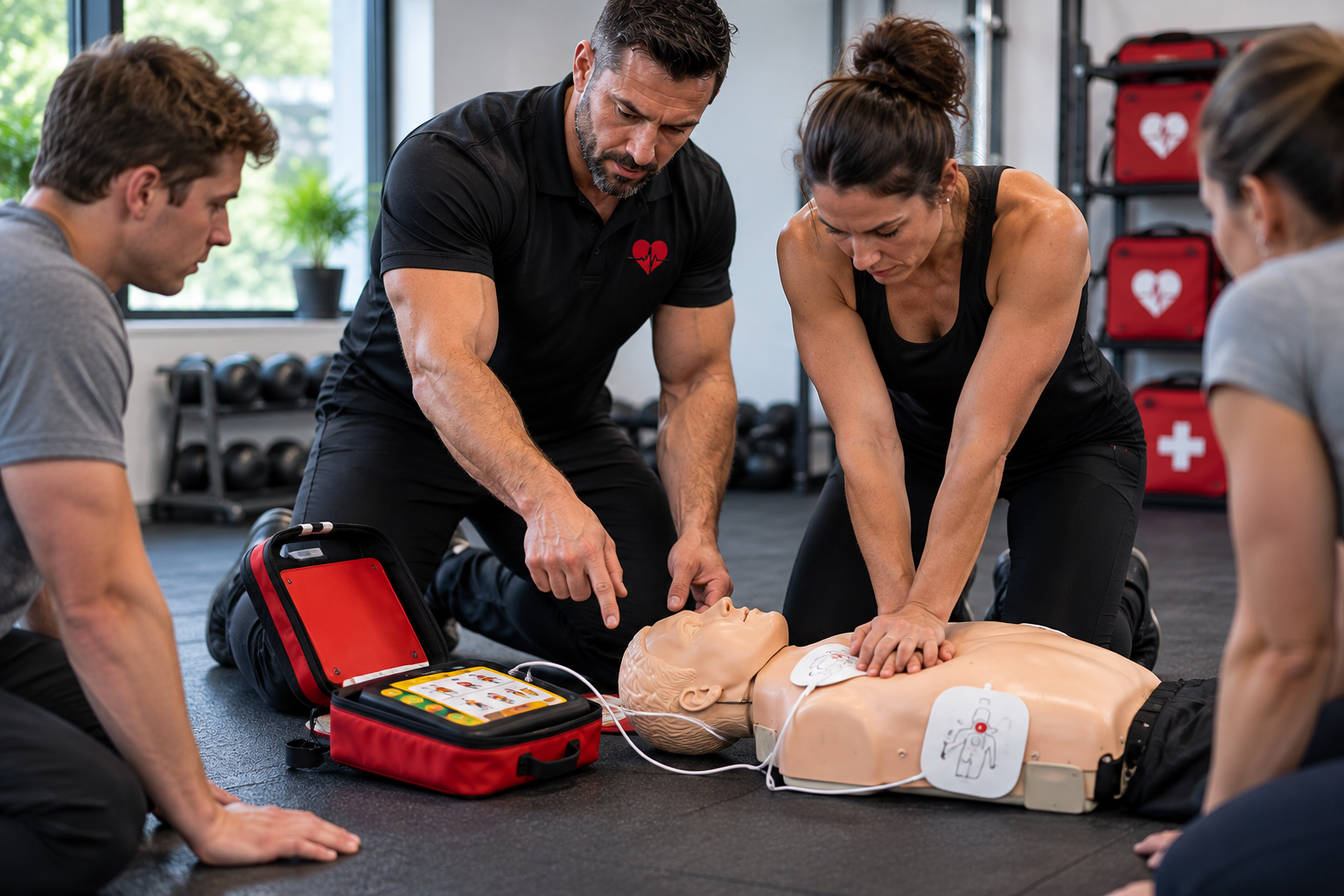
Gyms, athletic facilities, and fitness professionals regularly work with people who are physically active, making emergency preparedness particularly important.

Childcare Facilities

Childcare providers have a responsibility to care for children who may experience choking, injury, illness, or other emergencies.

Schools and Educational Organizations

Teachers, administrators, coaches, and staff may all benefit from knowing how to respond to an emergency involving a student or colleague.

Offices and Professional Businesses

Even an office environment isn't immune to medical emergencies. Employees may spend many hours together, making workplace preparedness worthwhile.

Construction and Industrial Companies

Work environments involving equipment, tools, physical labor, or job-site hazards can present a variety of situations where First Aid knowledge may be valuable.

How Many Employees Should Be Trained?

There isn't one universal number that works for every organization.

A business should consider its:

  • Number of employees
  • Work hours and shifts
  • Physical layout
  • Type of work performed
  • Number of locations
  • Availability of AEDs
  • Distance from emergency medical services
  • Existing emergency procedures

The goal is to have appropriate coverage so that trained employees are available when an emergency occurs.  Your organization's specific regulatory, insurance, licensing, or workplace requirements should also be reviewed when determining what training is required.

Group CPR Training Can Be Convenient

Coordinating individual employees to attend different classes can become difficult.  Group training can simplify the process by allowing multiple employees to complete training together.

It can also give employees the opportunity to practice skills as a team and discuss how an emergency response might work within their particular workplace.  Inspire CPR offers group training options and can work with organizations to determine the best training arrangement for their needs.

Workplace CPR Training in Amesbury, MA

Inspire CPR is located at:

Inspire CPR, LLC
Boston North Technology Park
110 Haverhill Rd, Building C
Amesbury, MA 01913

We provide CPR training in Amesbury, MA for businesses, organizations, healthcare professionals, and community members.  We're also accessible to organizations and employees throughout nearby communities including Newburyport, Salisbury, Haverhill, Merrimac, Newbury, West Newbury, and Rowley.

If bringing employees to our Amesbury location isn't convenient, group training at your organization may also be available.

Don't Wait Until an Emergency Happens

Nobody expects a medical emergency to happen during the workday.  But being prepared means having a plan before you need one.  CPR, AED, and First Aid training can give employees the knowledge and hands-on practice they need to respond when something goes wrong.

For businesses, training isn't simply about checking a box. It's about helping people become more prepared to recognize an emergency and take appropriate action.

Sources


1.  American Heart Association. Workforce Training. https://cpr.heart.org/en/training-programs/workforce-training

2.  American Heart Association. CPR & First Aid Training Courses. https://cpr.heart.org/en/cpr-courses-and-kits

A man reclines with his hands behind his head at a table laden with a roast turkey, side dishes, and pumpkins.
By Johnny Maravelis • November 25, 2026
Can a Thanksgiving feast stress your heart? Learn about overeating, sodium, blood sugar, and what to do if someone experiences cardiac arrest.
By Johnny Maravelis • November 23, 2026
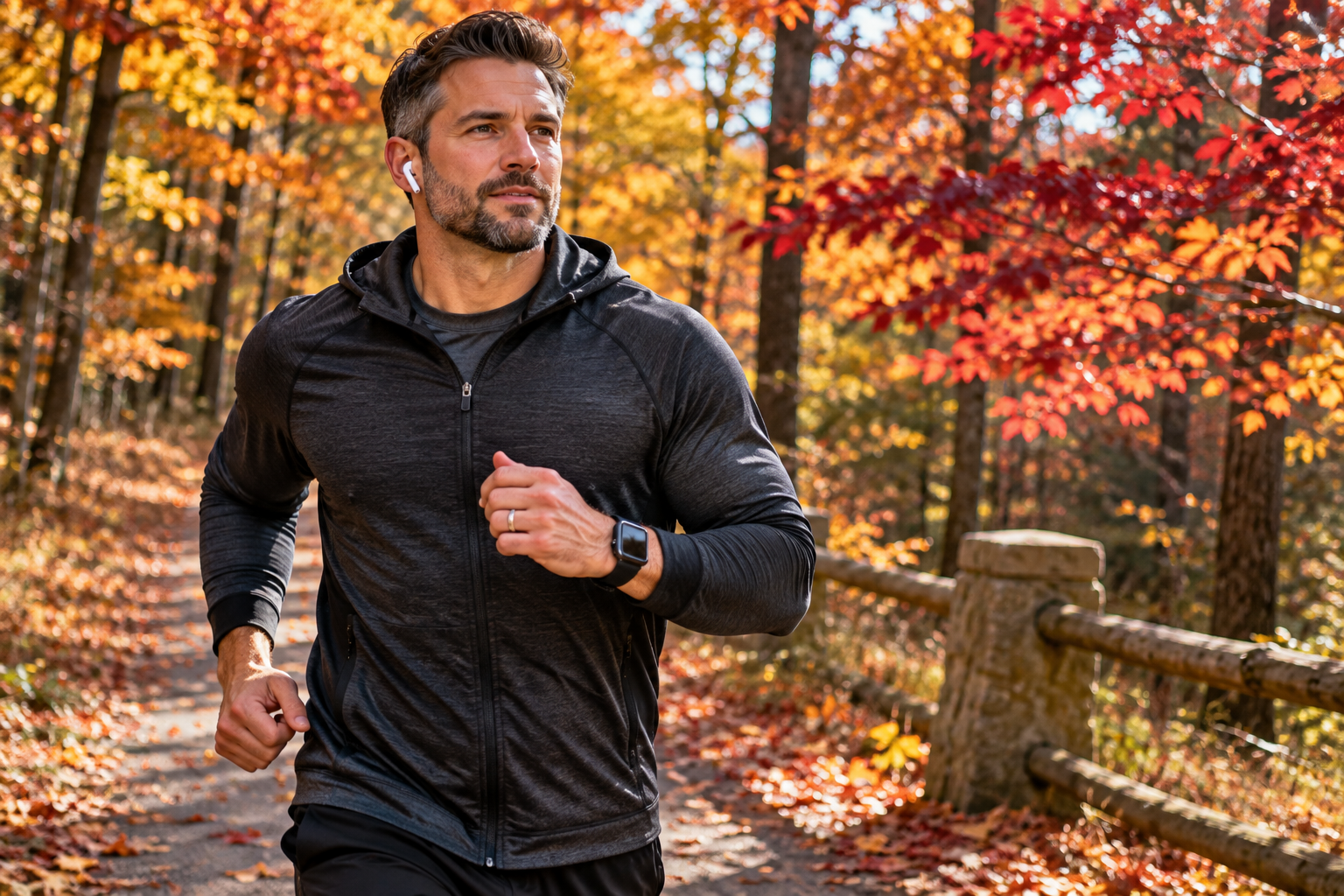
There is something special about getting outside for a run in the fall. The cooler temperatures, changing leaves, and crisp autumn air make it a great time to lace up your sneakers and get moving. Running is one of many activities that can help strengthen your cardiovascular system. Regular physical activity supports heart health, helps manage blood pressure, improves fitness, and can contribute to maintaining a healthy weight. But there is another side to fall fitness that every runner, walker, cyclist, and spectator should understand: What happens if someone suddenly collapses while exercising? Would you know what to do? Why Running Is Good for Your Heart Your heart is a muscle, and like other muscles, it benefits from regular exercise. Running challenges your cardiovascular system by increasing your heart rate and requiring your body to deliver more oxygen to working muscles. With consistent physical activity, you can improve cardiovascular fitness and support your overall health. Some potential benefits include: Improved cardiovascular endurance Better blood pressure management Improved blood sugar regulation Support for maintaining a healthy weight Reduced risk of cardiovascular disease over time Improved mood, energy, and overall well-being You don't have to run a marathon to benefit. Brisk walking, cycling, swimming, and other aerobic activities can also support heart health. The American Heart Association generally recommends at least 150 minutes of moderate-intensity aerobic activity or 75 minutes of vigorous activity each week for adults, along with muscle-strengthening activities. Can Running Cause Cardiac Arrest? Running itself is generally beneficial for heart health. However, strenuous exercise can sometimes trigger a cardiac event in someone with an underlying heart condition. Sudden cardiac arrest occurs when the heart's electrical system malfunctions, causing it to stop pumping blood effectively. It is different from a heart attack, although a heart attack can sometimes lead to cardiac arrest. Cardiac arrest can happen during exercise, even in people who appear physically fit. It is uncommon, but recognizing the warning signs and responding quickly can make a life-saving difference. Pay attention to symptoms such as: Chest pain, pressure, or discomfort Unusual shortness of breath Dizziness or lightheadedness Fainting or near-fainting Heart palpitations accompanied by weakness or discomfort Stop exercising and seek medical attention if you experience concerning symptoms. Call 911 for possible heart attack symptoms rather than trying to finish your workout. Someone Just Collapsed on the Running Trail. Now What? Imagine you're enjoying an autumn walk when you see a runner ahead of you suddenly collapse. At first, you might assume they tripped, became exhausted, or experienced dehydration. But if the person is unresponsive and isn't breathing normally, they could be experiencing sudden cardiac arrest. Don't assume someone is simply taking a break. Seconds matter. Here's what to do: 1. Check for Responsiveness Make sure the area is safe. Tap the person's shoulders and shout, "Are you OK?" If they don't respond, treat the situation as an emergency. 2. Call 911 Ask someone nearby to call 911 and report a possible cardiac arrest. If other people are present, give specific instructions: "YOU call 911!" "YOU find an AED!" Assigning specific people helps prevent everyone from assuming someone else has already called. 3. Start Hands-Only CPR If the person is unresponsive and not breathing normally, or is only gasping, begin CPR. For an adult: Place the heel of one hand in the center of the chest. Place your other hand on top and interlock your fingers. Push hard and fast. Aim for 100–120 compressions per minute. Allow the chest to return to its normal position between compressions. Don't stop unnecessarily. Continue until the person shows signs of life, emergency responders take over, or you cannot continue. 4. Use an AED as Soon as Possible An Automated External Defibrillator (AED) may be available at a nearby gym, school, recreation facility, business, or public building. Turn it on, follow the voice prompts, and attach the pads as directed. The device will analyze the heart rhythm and tell you whether a shock is advised.  You do not need to be a medical professional to use an AED. Follow its instructions and resume CPR when directed. Why CPR Training Matters for Runners and Everyone Else You might never witness a cardiac emergency while running. But you could encounter one at a local park, on a neighborhood sidewalk, at a race, or even in your own home. Knowing CPR and how to use an AED gives you the confidence to act instead of standing by wondering what to do. If you run with friends or participate in local races, consider making CPR and AED awareness part of your fitness community's safety plan. Keep Your Heart Healthy This Fall Enjoy the cooler weather, stay active, listen to your body, and make time for regular exercise. Your heart benefits from consistent movement, but being prepared for an emergency is just as important. At Inspire CPR, we offer American Heart Association CPR, AED, and First Aid training in Amesbury, MA. Whether you're a healthcare professional, fitness enthusiast, coach, business owner, or simply someone who wants to be prepared, learning CPR could help you save a life. Don't just get your heart pumping. Know how to help when someone else's heart stops. Inspire CPR, LLC 110 Haverhill Rd, Building C Amesbury, MA 01913 Serving Amesbury, Newburyport, Salisbury, Haverhill, Merrimac, Newbury, West Newbury, Rowley, and surrounding communities. Sources American Heart Association – The American Heart Association Diet and Lifestyle Recommendations American Heart Association – Treatment of Cardiac Arrest American Heart Association – What Is CPR? CDC – About Cardiac Arrest
Halloween candy spills from an orange bucket beside a carved pumpkin and bowl of treats.
By Johnny Maravelis • November 2, 2026
What's in your favorite candy? Learn how added sugar, processed ingredients, diabetes, and dietary habits can affect long-term heart health.
Adults and children practicing CPR on a man in a living room beside an open first-aid kit
By Johnny Maravelis • October 30, 2026
Would you know what to do during a cardiac emergency? Learn CPR and AED basics and find CPR classes in Amesbury, MA with Inspire CPR.
Halloween cocktail spread with glowing jack-o'-lantern, martinis, sangria, and appetizers at a festive party
By Johnny Maravelis • October 28, 2026
Can Halloween cocktails affect your heart? Learn about alcohol, irregular heart rhythms, blood pressure, safer party choices, and CPR preparedness.
Halloween snack table with jack-o'-lantern candy bucket, apples, nuts, and pumpkins
By Johnny Maravelis • October 28, 2026
Would you know what to do during a cardiac emergency? Learn CPR and AED basics and find CPR classes in Amesbury, MA with Inspire CPR.
CPR training scene with two people assisting a man on the floor and an open AED kit nearby
By Johnny Maravelis • September 30, 2026
Would you know what to do if someone you love needed CPR? Learn why CPR training matters and find CPR classes in Amesbury, MA for families and communities.
By Johnny Maravelis • September 28, 2026
When someone suddenly collapses and is not responding normally, every second matters. You may have seen an Automated External Defibrillator, or AED, mounted on the wall at a gym, workplace, school, restaurant, airport, or community building. But would you know what to do if you actually needed to use one?
People practicing CPR on a mannequin in a classroom setting
By Johnny Maravelis • August 24, 2026
Not sure which CPR class you need? Learn the differences between AHA BLS, Heartsaver CPR, AED, First Aid, and pediatric courses at Inspire CPR.
Man performing CPR on man beside AED at Boston North Technology Park while another man runs over with first aid kit
By Johnny Maravelis • August 20, 2026
Discover why CPR training matters in the Merrimack Valley and find CPR classes in Amesbury, MA for healthcare providers, businesses, families, and more.