Halloween Candy and Heart Health: Can You Indulge Without Spooking Your Heart?
Halloween is all about treats, from chocolate bars and caramel apples to candy bowls overflowing with sugary surprises. But if you're concerned about your heart health, you might wonder whether indulging in Halloween candy is a trick your body could do without.
The good news? Having a piece of Halloween candy doesn't automatically put your heart in danger. What matters more is your overall eating pattern, your health conditions, and how consistently you make choices that support your cardiovascular health.
So how can you enjoy Halloween while keeping your heart in mind?
The Treats: What Happens When We Eat Too Much Sugar?
Candy and other sweets can be part of an occasional celebration, but they often contain significant amounts of added sugar and few essential nutrients.
Consistently consuming too much added sugar can contribute to weight gain and increase the risk of developing conditions that affect cardiovascular health, including type 2 diabetes. Those risks matter because diabetes and other metabolic conditions can increase the likelihood of heart disease over time.
The American Heart Association recommends limiting added sugar as part of an overall heart-healthy eating pattern.
The key word is consistently. One piece of candy isn't the same as a daily habit of consuming excessive amounts of added sugar.
The Good: Heart-Friendly Halloween Snacks
Halloween doesn't have to be a choice between candy and boring food. There are plenty of festive options that can make your celebration more nutritious.
Apples and other fresh fruit
Apples provide fiber and nutrients, making them a great seasonal snack. Try apple slices with a little peanut butter, or serve a colorful fruit platter at your Halloween gathering.
Nuts and seeds
Unsalted nuts and pumpkin seeds provide nutrients and healthy unsaturated fats. They're easy to serve in small bowls alongside other party snacks.
Vegetables and hummus
Create a Halloween-themed vegetable platter with colorful peppers, carrots, cucumbers, and hummus. A little creativity can make nutritious food part of the fun.
Dark chocolate in moderation
If chocolate is your favorite treat, a small portion can fit into many people's overall eating patterns. Remember that dark chocolate still contains calories, and some varieties contain considerable added sugar.
Water and unsweetened drinks
It's easy to overlook beverages when counting sugar. Water and unsweetened drinks are useful alternatives to sugary punch, soda, and sweetened coffee drinks.
Can You Eat Halloween Candy If You Have Heart Disease?
This is an important question, especially for people who have been diagnosed with heart disease, high cholesterol, high blood pressure, or diabetes.
Having a heart condition doesn't automatically mean you can never enjoy candy again. However, your individual circumstances matter.
For example, someone managing diabetes may need to pay particular attention to carbohydrate intake and blood glucose. Someone working to lower triglycerides may need to reduce excessive added sugar and refined carbohydrates. People with other medical conditions may have different dietary recommendations.
If you have heart disease, ask your healthcare professional what eating pattern makes sense for you. A registered dietitian can also help you make room for occasional treats while working toward your health goals.
Don't let Halloween become a reason to ignore your health—but don't assume one small treat undoes all your progress, either.
Five Ways to Enjoy Halloween Without Overdoing It
1. Choose the treats you really enjoy.
Rather than mindlessly reaching into the candy bowl all evening, pick a few favorites and enjoy them.
2. Don't arrive at a party starving.
Eating balanced meals throughout the day can make it easier to avoid excessive snacking later.
3. Keep nutritious options available.
Offer fruit, vegetables, nuts, and other satisfying snacks alongside the candy.
4. Pay attention to drinks, too.
Sugary beverages and alcoholic cocktails can add substantial calories and sugar without making you feel particularly full.
5. Remember the bigger picture.
Your heart health is influenced by your overall eating habits, physical activity, sleep, smoking status, blood pressure, cholesterol, and other factors. One holiday doesn't define your health.
Heart Health Is About More Than Food
Healthy eating is important, but it's only one part of cardiovascular health. Knowing your risk factors, following your healthcare professional's recommendations, staying physically active as appropriate, and recognizing the signs of a cardiac emergency are all important.
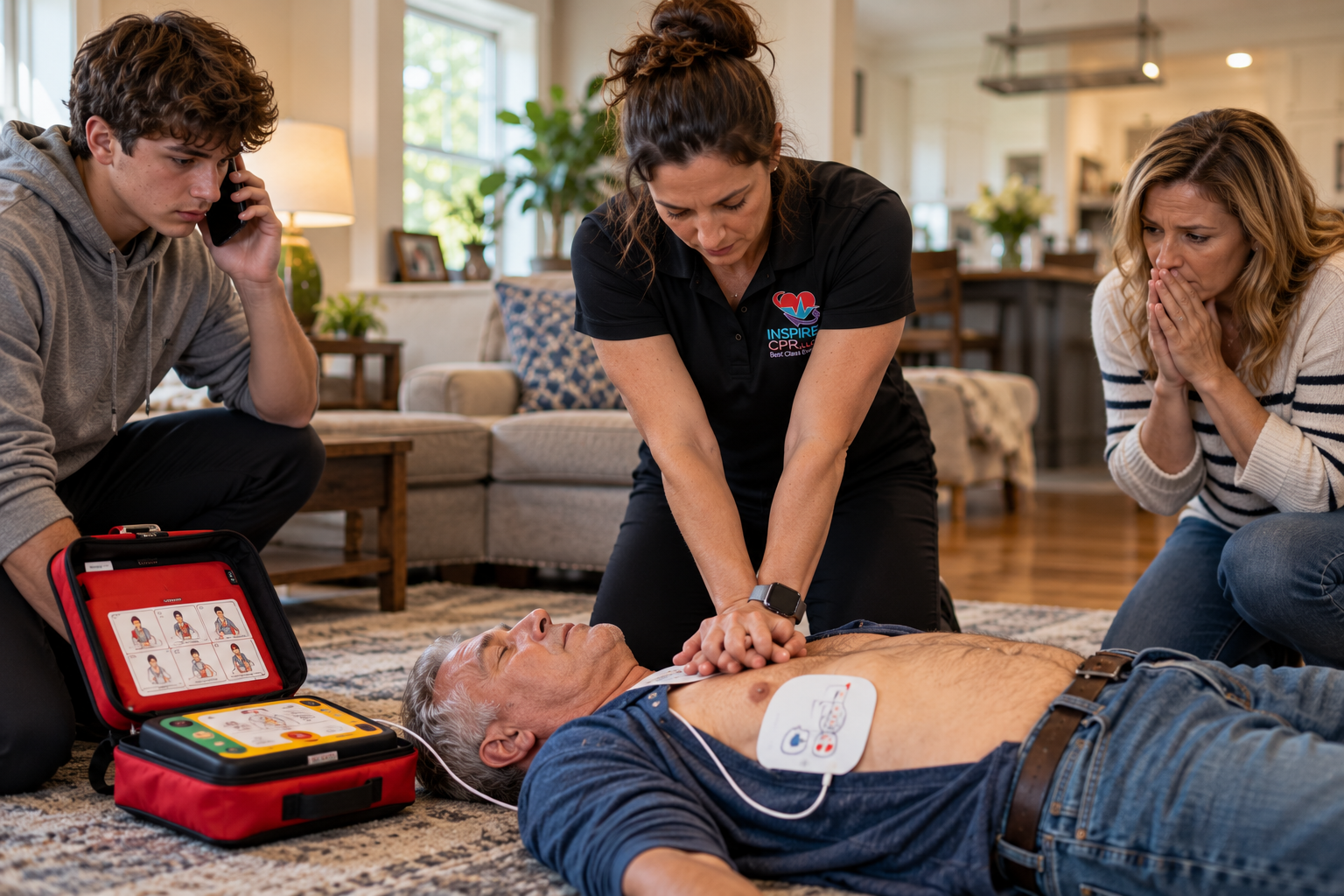
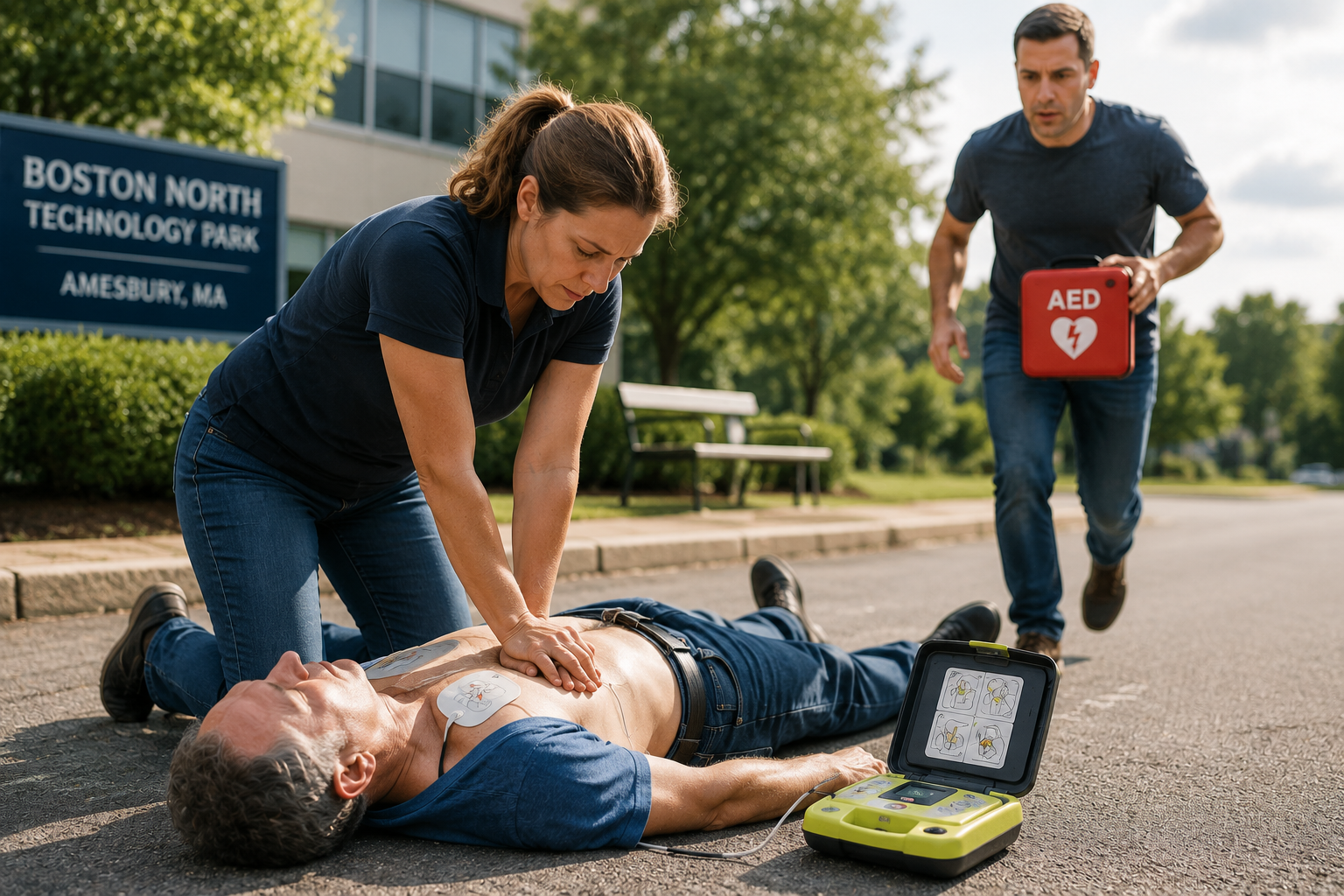
And there's another skill worth considering: learning CPR. Cardiac arrest can happen at home, at a party, at work, or anywhere people gather. Recognizing an emergency and knowing how to respond can make a meaningful difference.
Be Ready to Help When It Matters Most
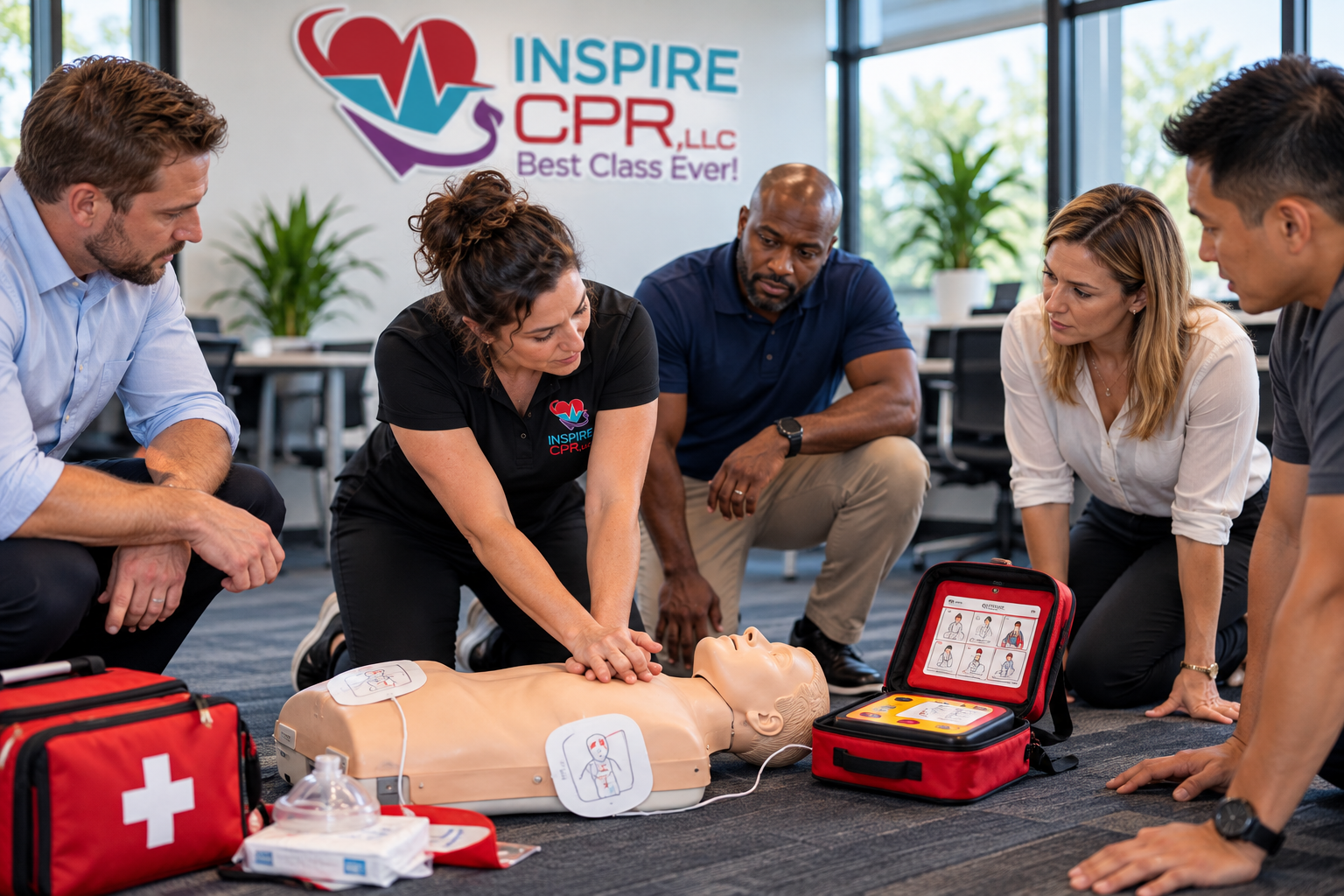
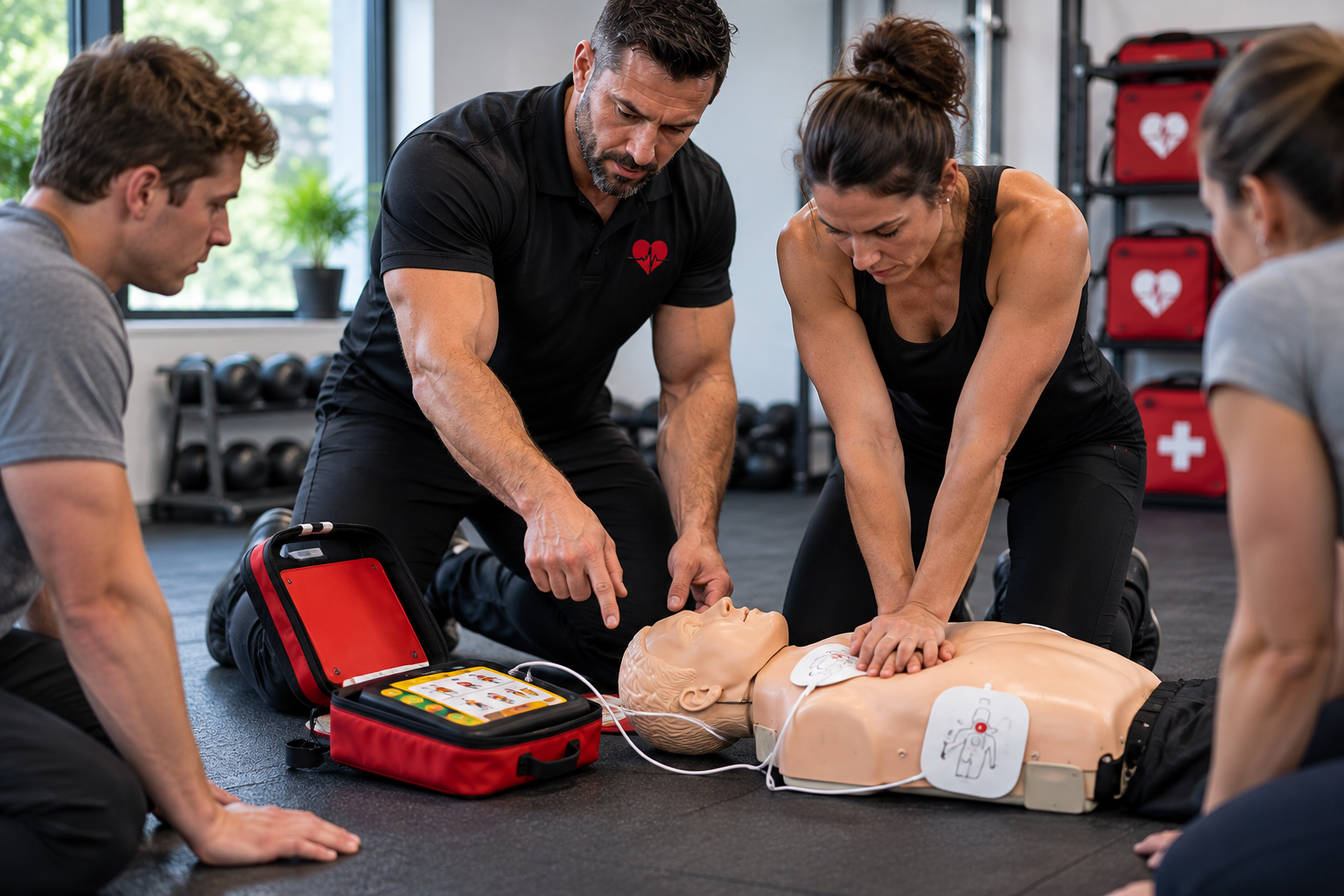
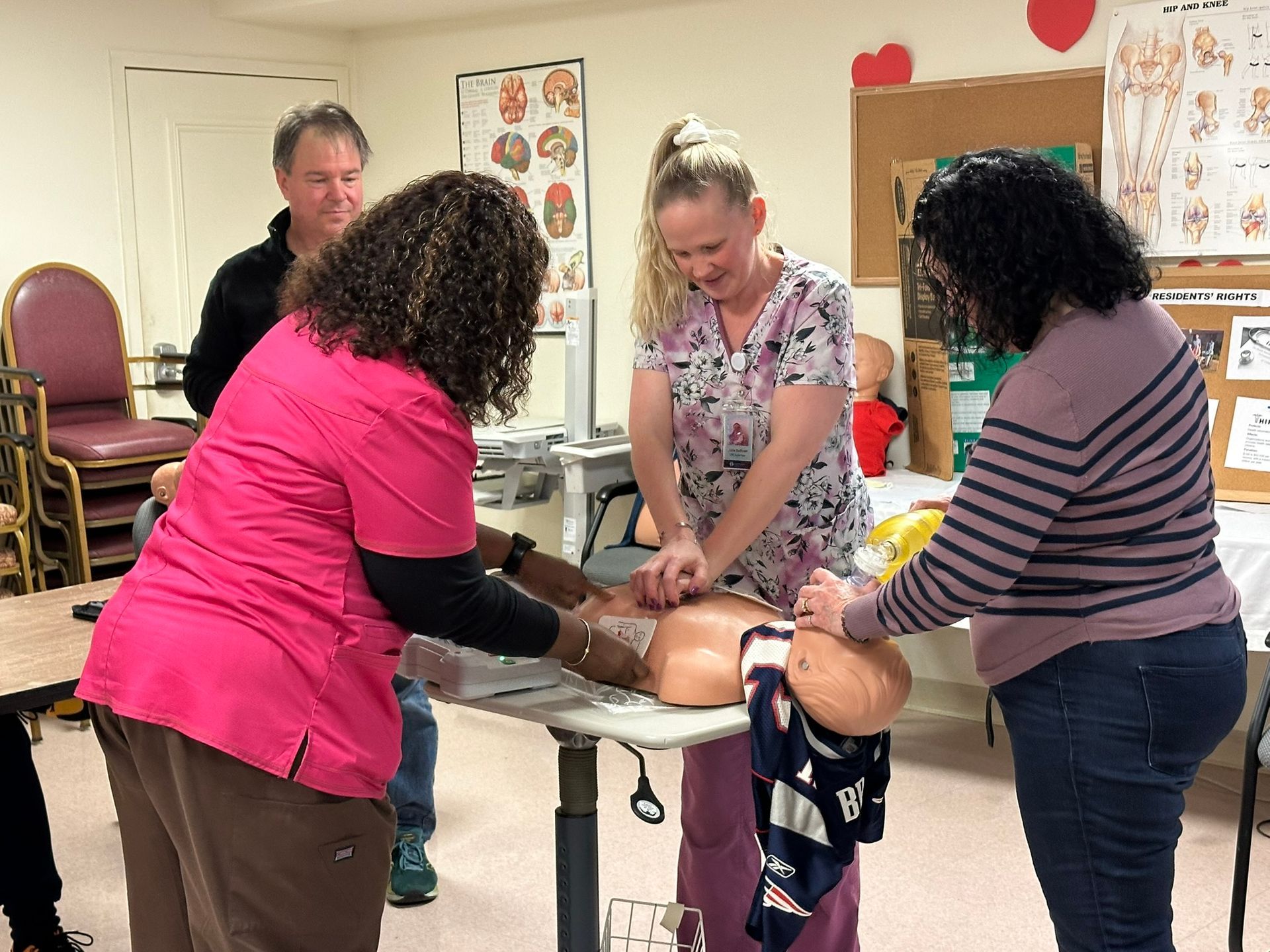
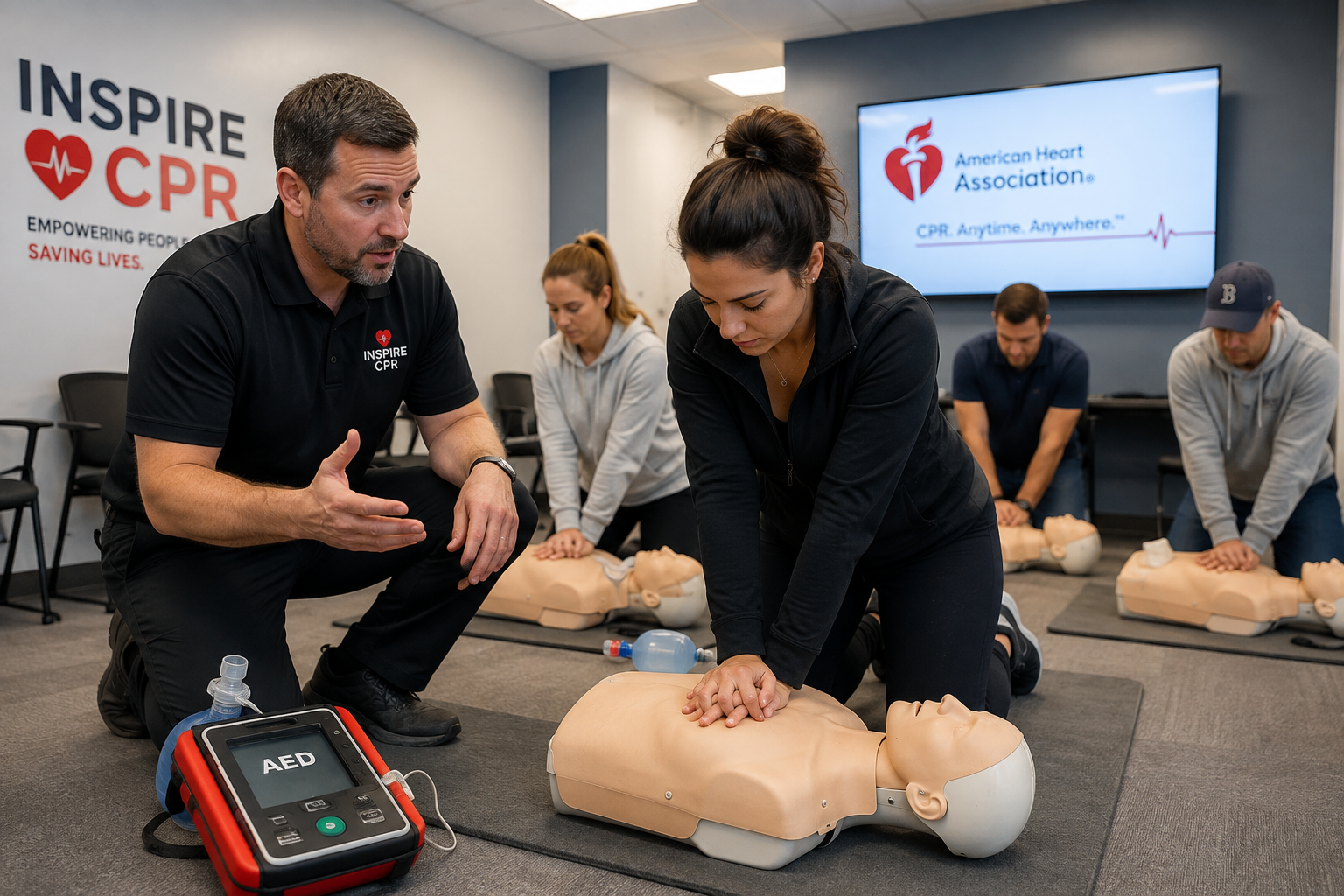
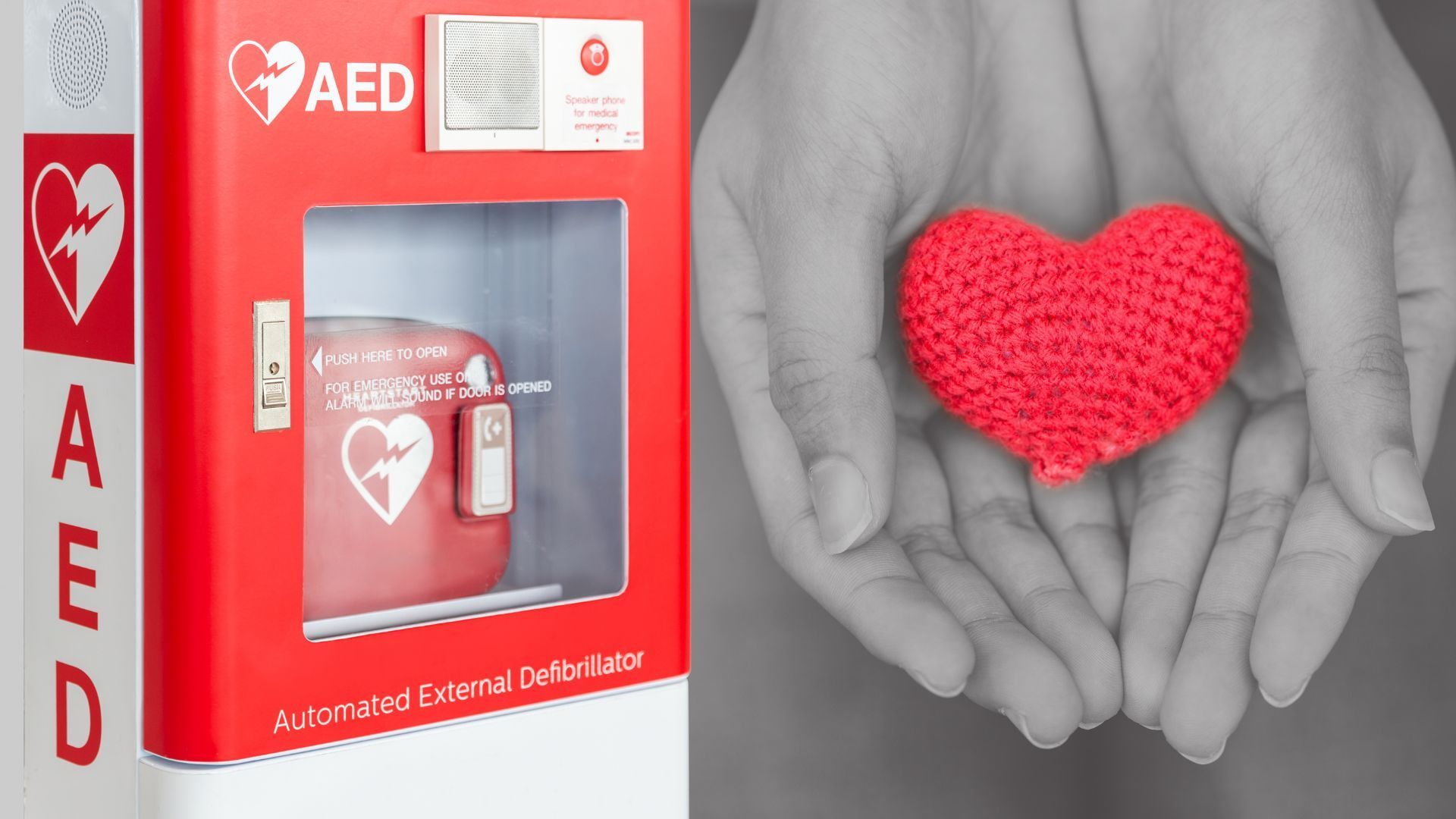
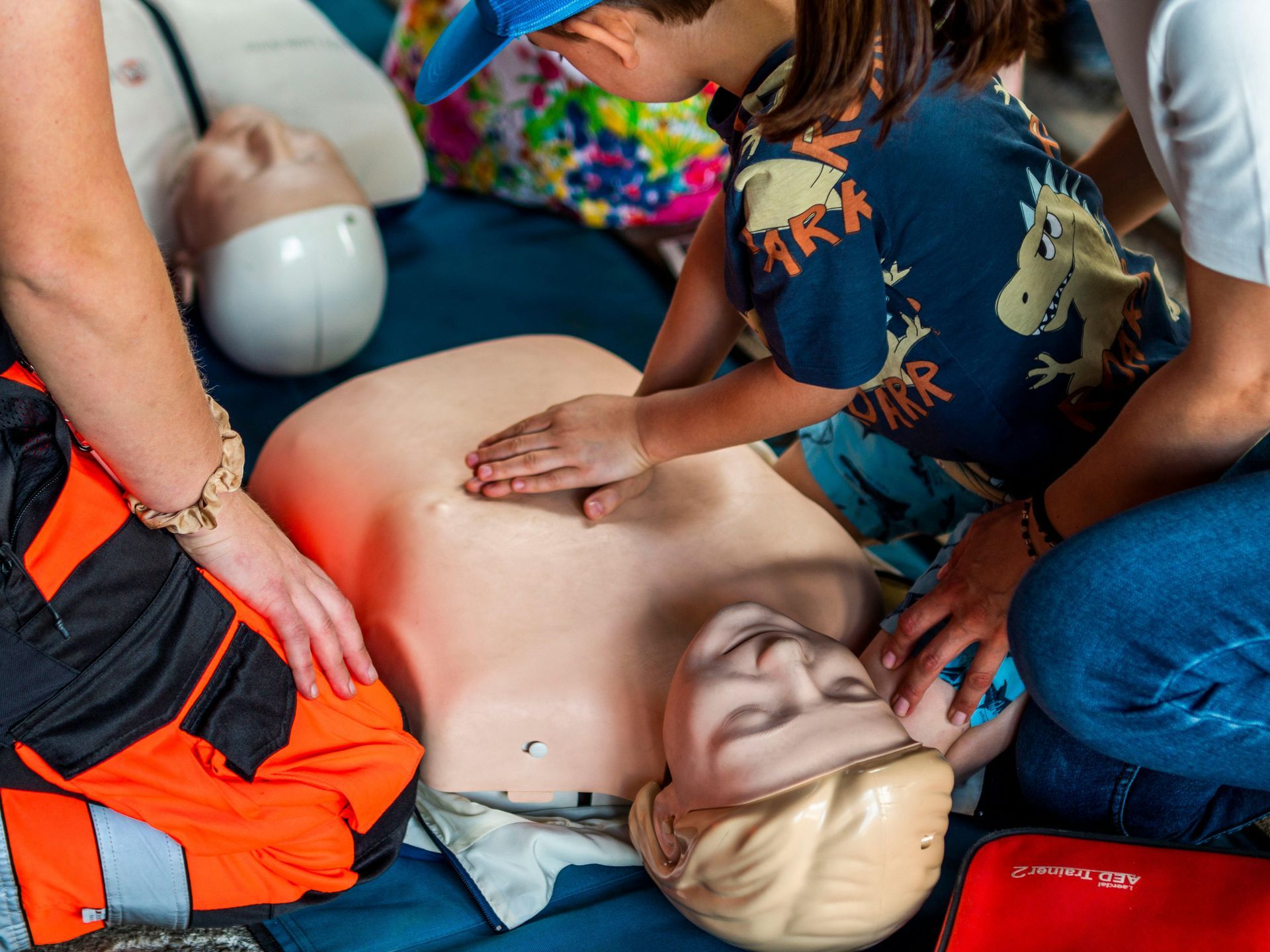
At Inspire CPR, we believe education is an important part of being prepared. Our American Heart Association training helps students learn practical emergency-response skills, including CPR and AED use in the appropriate courses.
We're located at:
Inspire CPR, LLC
Boston North Technology Park
110 Haverhill Rd, Building C
Amesbury, MA 01913
We welcome people looking for CPR classes in Amesbury, MA, as well as those traveling from nearby communities such as Newburyport, Salisbury, Haverhill, Merrimac, Newbury, West Newbury, and Rowley.
This Halloween, enjoy your treats, make choices that support your health, and consider learning a skill that could help you save a life.
Explore CPR training at Inspire CPR and be ready when it matters most.
Sources
1. American Heart Association. Added Sugars. https://www.heart.org/en/healthy-living/healthy-eating/eat-smart/sugar/added-sugars
2. American Heart Association. Healthy Eating. https://www.heart.org/en/healthy-living/healthy-eating