A Halloween Scare You Don't Want: Would You Know What to Do During a Cardiac Emergency?
Halloween is a time for spooky decorations, costumes, candy, and gatherings with family and friends.
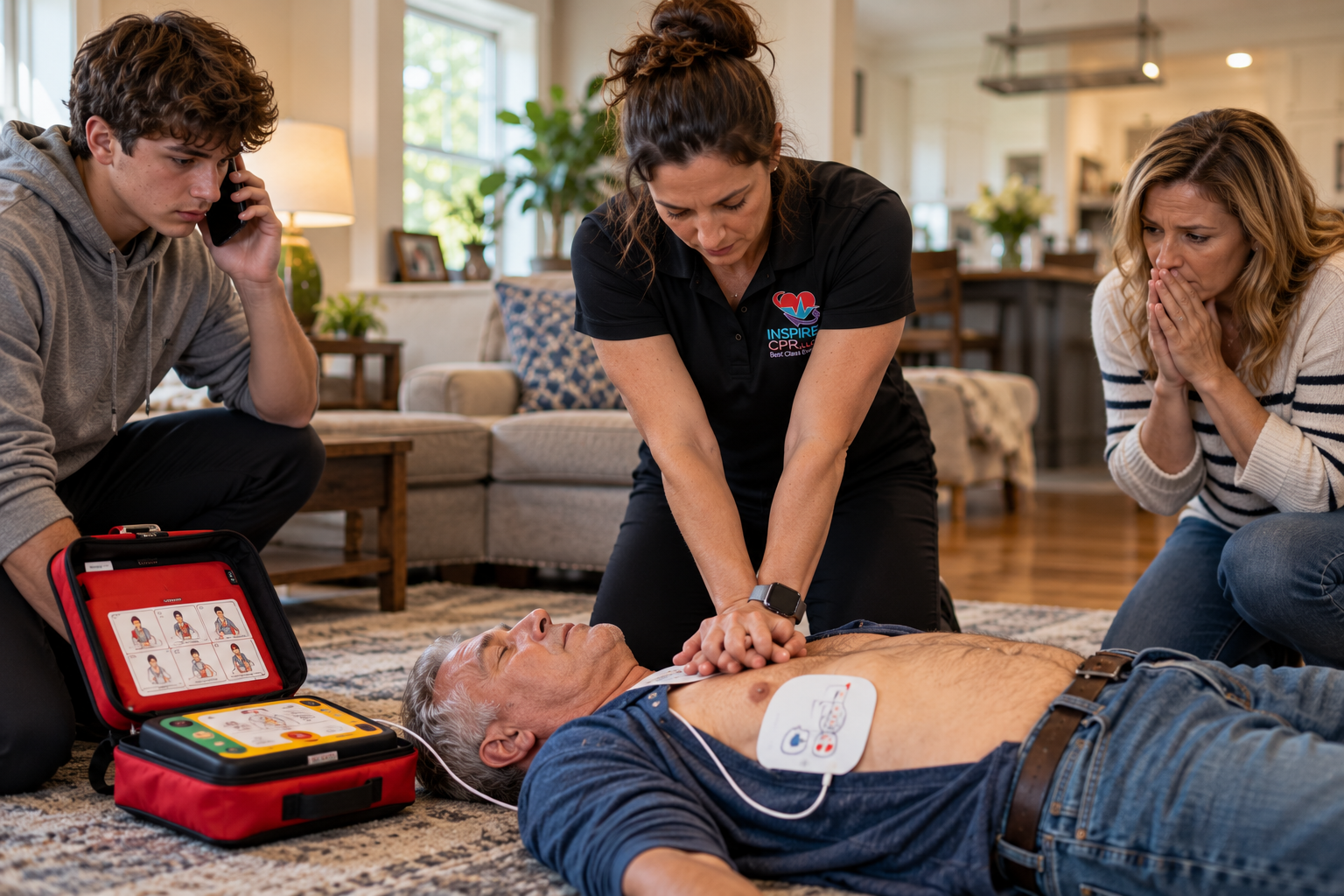
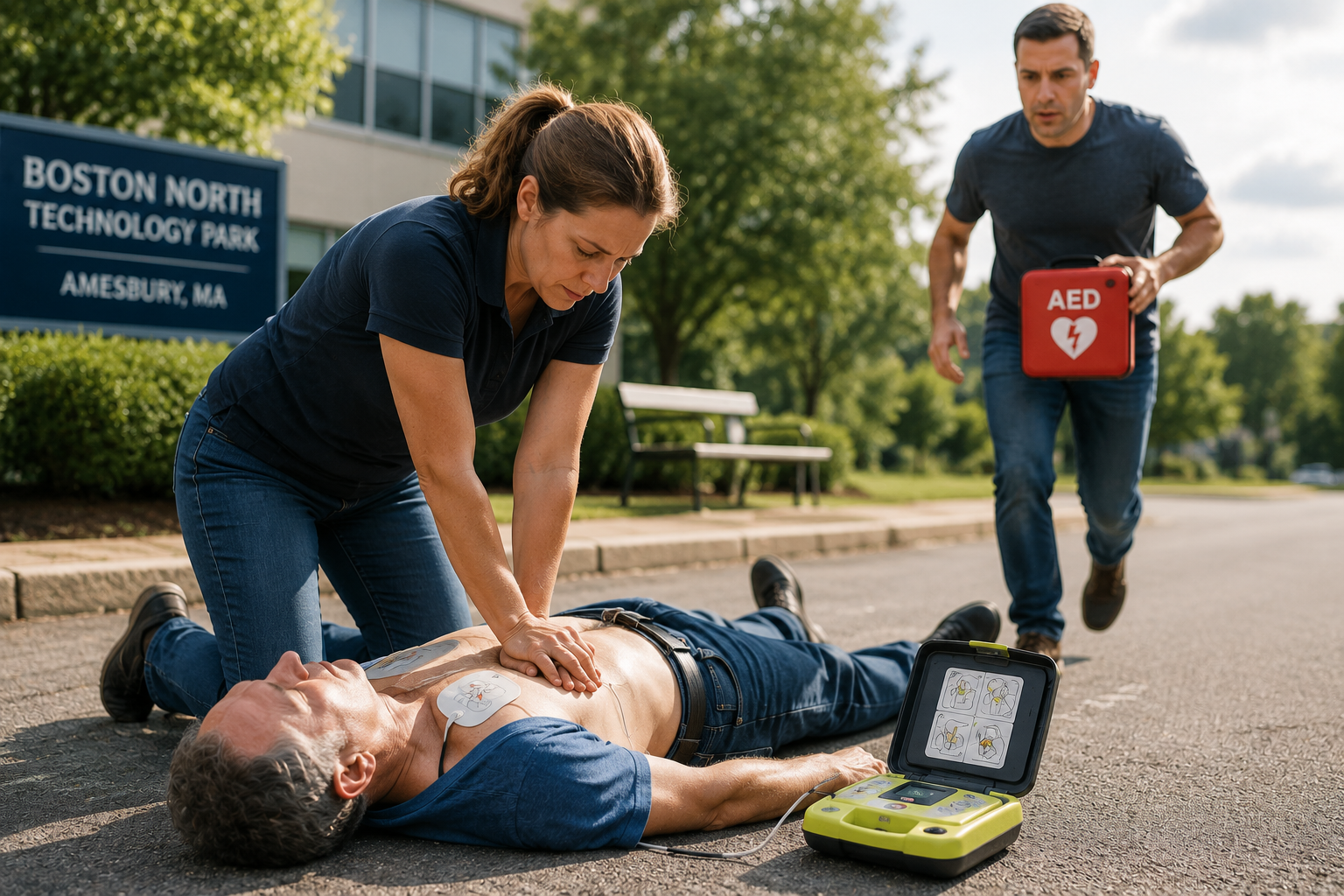
But imagine a different kind of scare. You're at a Halloween party when someone suddenly collapses. They don't respond when you call their name, and they aren't breathing normally.
Would you know what to do?
It's a frightening situation to imagine, but cardiac emergencies can happen anywhere. Knowing how to recognize cardiac arrest and take immediate action can help you respond when every second matters.
Recognizing a Cardiac Emergency
Cardiac arrest occurs when the heart suddenly stops pumping blood effectively. The person typically becomes unresponsive and stops breathing normally or only gasps. This is different from a person who is awake and experiencing chest discomfort or other possible heart attack symptoms. A heart attack and cardiac arrest are not the same thing, although a heart attack can sometimes lead to cardiac arrest.
If someone is unresponsive and not breathing normally, act immediately.
What Should You Do If Someone Collapses?
If you witness a person suddenly collapse and suspect cardiac arrest, follow these basic steps:
1. Check responsiveness and breathing.
Make sure the scene is safe. Check whether the person responds and whether they are breathing normally. Don't delay action if they are only gasping.
2. Call 911.
Ask someone nearby to call 911 and bring an AED if one is available. If you're alone, call 911 on speakerphone and follow the dispatcher's instructions.
3. Begin CPR.
For an adult who is unresponsive and not breathing normally, begin chest compressions promptly. Push hard and fast in the center of the chest, following the emergency dispatcher's instructions. If you're trained and able to provide rescue breaths, follow the CPR technique you learned.
4. Use an AED as soon as possible.
Turn on the AED and follow its voice and visual instructions. Continue CPR as directed by the device and emergency dispatcher.
5. Continue until help takes over or the person shows signs of life.
Follow the emergency dispatcher's instructions and continue helping as best you can until professional responders arrive or the situation changes.
These steps are general guidance. Hands-on training helps you practice the skills and understand how to respond in an emergency.
Don't Be Afraid of an AED
An Automated External Defibrillator, or AED, is designed to guide rescuers through the process of analyzing a person's heart rhythm and delivering a shock when appropriate.
The device provides instructions about placing the pads, standing clear, and whether a shock is advised. You don't need to independently diagnose a heart rhythm. The AED analyzes the rhythm and tells you what to do. If an AED is available, don't wait for emergency responders to arrive before retrieving and using it. Follow its prompts and the 911 dispatcher's instructions.
Why CPR Training Makes a Difference
Reading about CPR is helpful, but knowing the steps on paper isn't the same as practicing them.
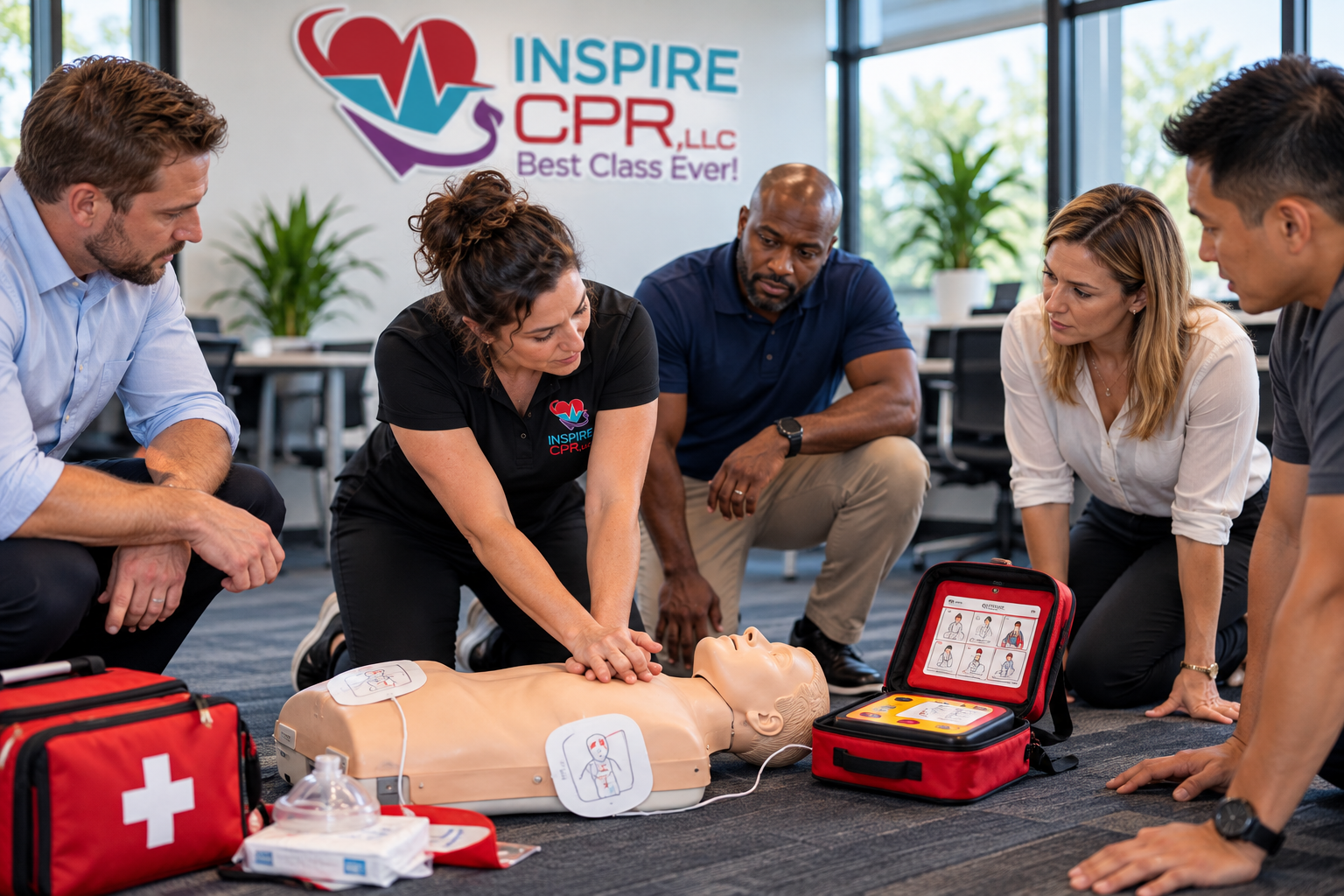
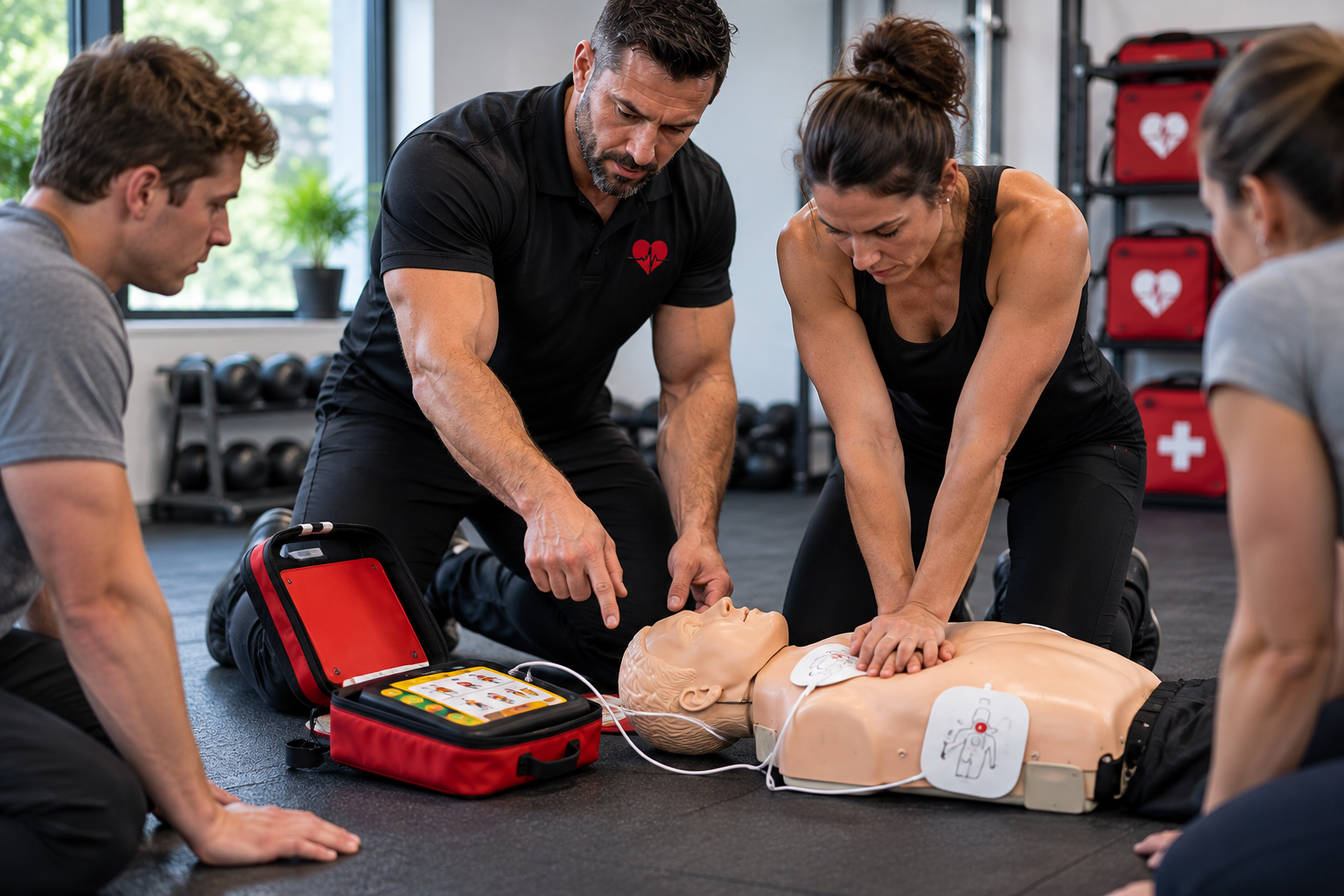
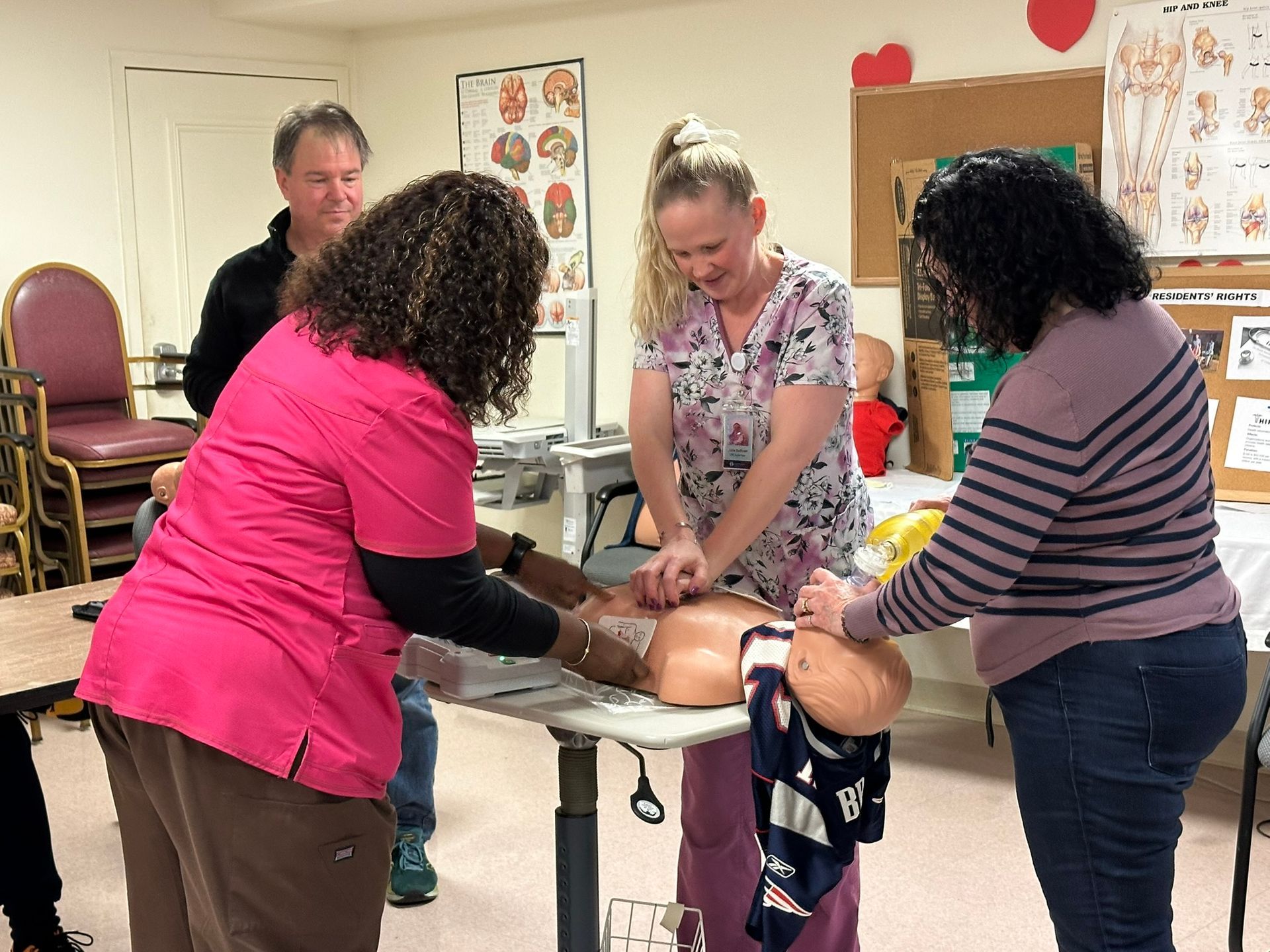
Hands-on training gives you the opportunity to practice chest compressions, become familiar with AED equipment, and learn how to respond to emergency scenarios.
That practice can make the process more familiar when you're under pressure. CPR training is useful for more than healthcare professionals. Parents, grandparents, teachers, coaches, childcare providers, fitness professionals, employees, and community members can all benefit from learning appropriate emergency-response skills.
A Halloween Reminder for Parents and Families
Halloween often brings families together, whether you're preparing costumes at home, handing out candy, attending a party, or visiting friends. It's also a good opportunity to think about household emergency preparedness.
Know how to call 911. If someone in your home has a medical condition, understand their emergency plan. If an AED is available at your workplace, gym, school, or community facility, familiarize yourself with its location.
And consider learning CPR before you need it. You don't have to be a healthcare professional to prepare yourself to help.
CPR Classes in Amesbury, MA
Inspire CPR provides American Heart Association training for people who want to learn CPR, AED, and First Aid skills appropriate to their needs.
We're located at:
Inspire CPR, LLC
Boston North Technology Park
110 Haverhill Rd, Building C
Amesbury, MA 01913
Our location is convenient for people searching for CPR classes in Amesbury, MA, as well as students coming from Newburyport, Salisbury, Haverhill, Merrimac, Newbury, West Newbury, Rowley, and nearby communities.
Depending on your needs, you may be looking for BLS for healthcare providers, Heartsaver CPR/AED, First Aid, pediatric training, or community CPR education. Check the course details and confirm any certification requirements before registering.
This Halloween, Be Ready for More Than Tricks and Treats
We hope your Halloween is full of fun, laughter, and just the right amount of spooky excitement. But the best kind of preparedness happens before an emergency ever occurs.
Learning CPR and AED skills can help you feel more confident about responding if someone suddenly collapses and needs immediate help. You may never have to use those skills. But if someone does need you, you'll be glad you took the time to learn.
Schedule your CPR training with Inspire CPR in Amesbury, MA, and be ready to help when it matters most.
Sources
1. American Heart Association. CPR and First Aid Training Courses. https://cpr.heart.org/en/cpr-courses-and-kits
2. American Heart Association. Cardiac Arrest. https://www.heart.org/en/health-topics/cardiac-arrest
3. American Heart Association. Warning Signs of a Heart Attack. https://www.heart.org/en/health-topics/heart-attack/warning-signs-of-a-heart-attack