Halloween Cocktails and Your Heart: The Hidden Risks of a Spooky Night Out
Halloween parties often feature colorful cocktails, spooky punch, and drinks with names that make them sound harmless. But beneath the decorations and festive flavors, it's worth remembering that alcohol can affect your heart.
For some people, an occasional drink may be part of a social occasion. For others, particularly people with certain heart conditions or taking specific medications, alcohol may carry additional risks. The important thing is to understand what you're drinking, recognize when alcohol consumption becomes risky, and know when to seek medical help.
The Trick Hidden in Halloween Drinks
Halloween cocktails can make it difficult to judge how much alcohol you're actually consuming. Large glasses, multiple shots, sweet mixers, and refillable punch bowls can disguise the amount of alcohol in a drink. Sugary mixers can also add considerable calories and added sugar. A drink that tastes like fruit punch may contain more alcohol than you realize.
If you're hosting a Halloween gathering, consider offering clearly labeled drinks, nonalcoholic alternatives, and plenty of water.
How Can Alcohol Affect Your Heart?
Alcohol affects the body in several ways, and its cardiovascular effects depend on factors such as the amount consumed, frequency of drinking, existing health conditions, and individual susceptibility.
Heavy alcohol consumption is associated with several cardiovascular concerns:
Irregular heart rhythms
Heavy drinking and binge drinking can trigger abnormal heart rhythms, including atrial fibrillation, in some people. This is sometimes called holiday heart syndrome when an episode occurs after heavy drinking.
High blood pressure
Excessive alcohol consumption can contribute to elevated blood pressure, which is a risk factor for heart disease and stroke.
Heart muscle problems
Long-term excessive alcohol consumption can damage the heart muscle and contribute to a condition called alcoholic cardiomyopathy. In some cases, this can lead to heart failure.
Increased overall health risks
Heavy alcohol use can also contribute to other health problems that indirectly affect cardiovascular health.
These risks are reasons to be mindful of alcohol—not reasons to assume that every person who has a drink will experience a cardiac emergency.
What If You Already Have a Heart Condition?
If you've been diagnosed with heart disease, high blood pressure, atrial fibrillation, or heart failure, it's especially important to discuss alcohol with your healthcare professional. Alcohol may affect your heart rhythm, blood pressure, symptoms, or medications. The right advice depends on your individual diagnosis and treatment plan.
Some people may be advised to avoid alcohol altogether. Don't assume that advice about alcohol for a healthy adult applies to someone with a medical condition. Your clinician can help you understand what's appropriate for you.
What About Alcohol and Sugar?
Halloween cocktails can combine two things people may need to monitor: alcohol and added sugar.
Sweetened mixers, soda, syrups, and fruit-flavored drinks can increase sugar intake. This may be particularly relevant for people managing diabetes, elevated triglycerides, or other metabolic conditions.
Choosing a nonalcoholic drink doesn't automatically make it healthy, either. Mocktails can also contain substantial amounts of added sugar. Try sparkling water with citrus, unsweetened iced tea, or a festive mocktail made with sparkling water and a small amount of fruit for flavor.
Five Ways to Make Your Halloween Celebration Safer
1. Know what's in your drink.
Be mindful of serving sizes and the amount of alcohol in cocktails and punch.
2. Offer appealing nonalcoholic choices.
Give guests festive alternatives so alcohol isn't the only option.
3. Don't pressure anyone to drink.
Some guests may avoid alcohol for health, medication, recovery, personal, or other reasons.
4. Plan transportation in advance.
Anyone who drinks should avoid driving. Arrange a sober driver or another safe way home.
5. Know when to stop the party.
If someone becomes severely confused, cannot be awakened, has slow or irregular breathing, or shows other signs of alcohol poisoning, call 911 immediately. Don't leave the person alone or assume they'll simply sleep it off.
When a Halloween Party Becomes a Medical Emergency
Not every medical emergency looks dramatic at first. Chest discomfort, shortness of breath, fainting, or a sudden irregular heartbeat may require urgent medical attention. Don't dismiss symptoms as simply the result of a party.
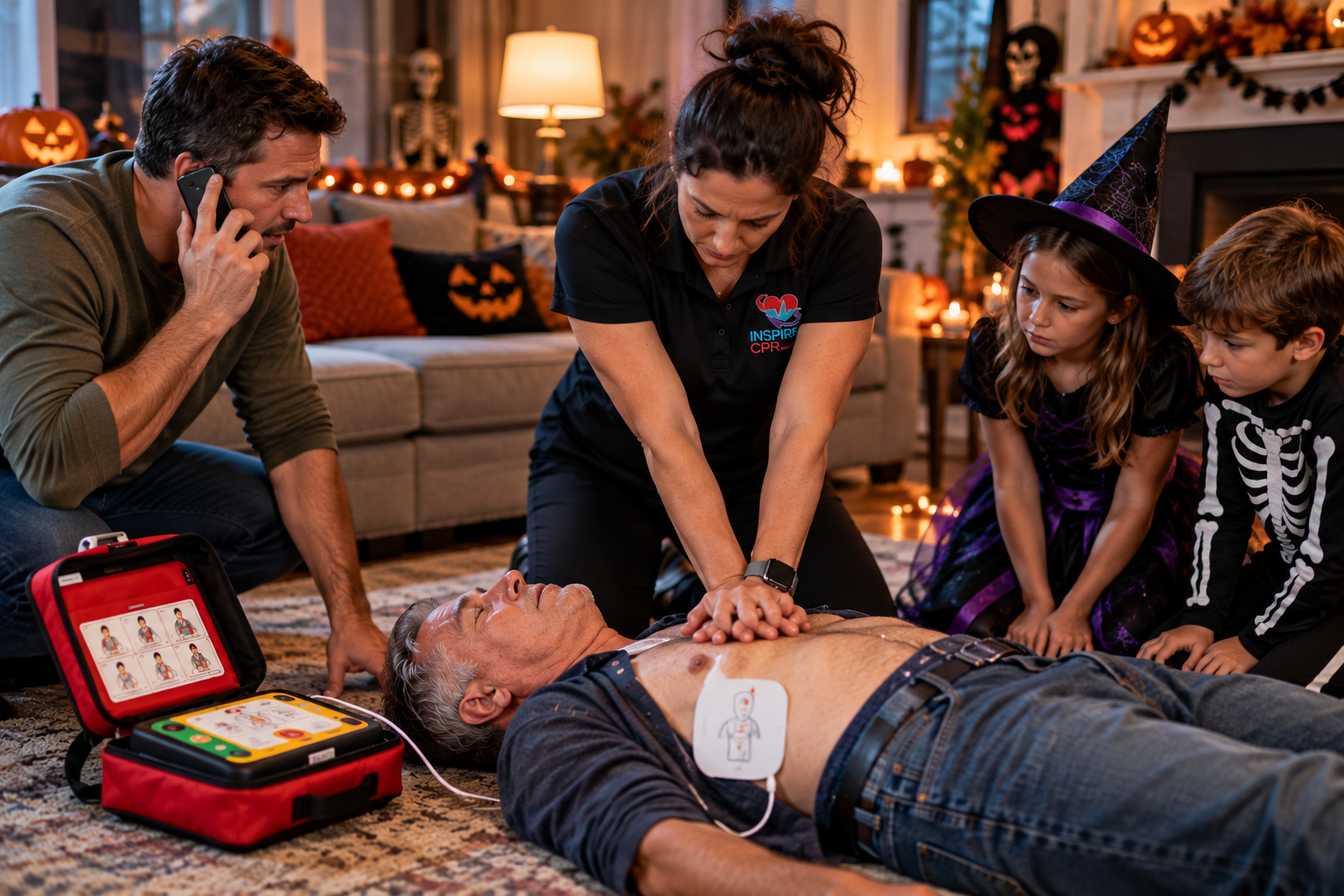
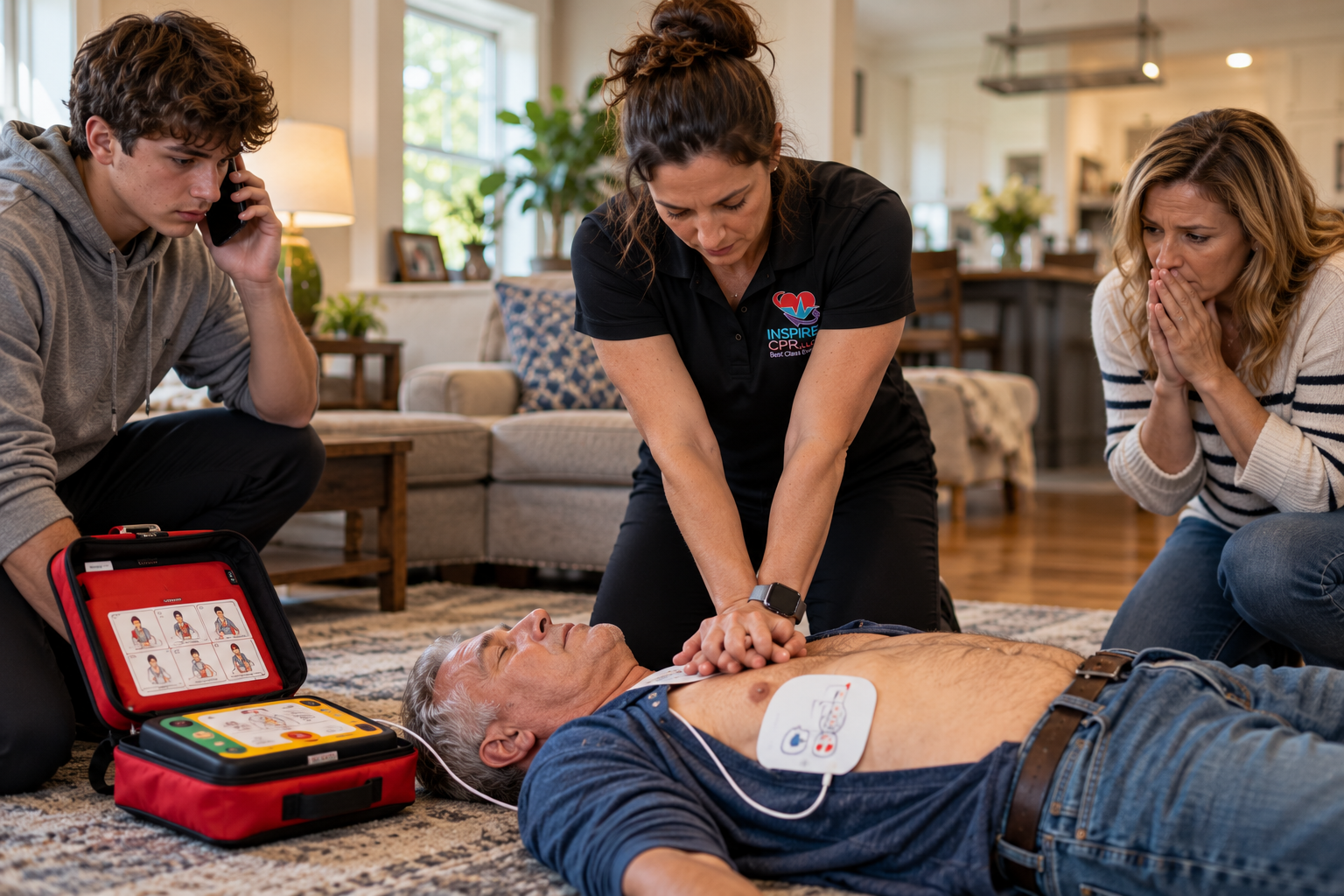
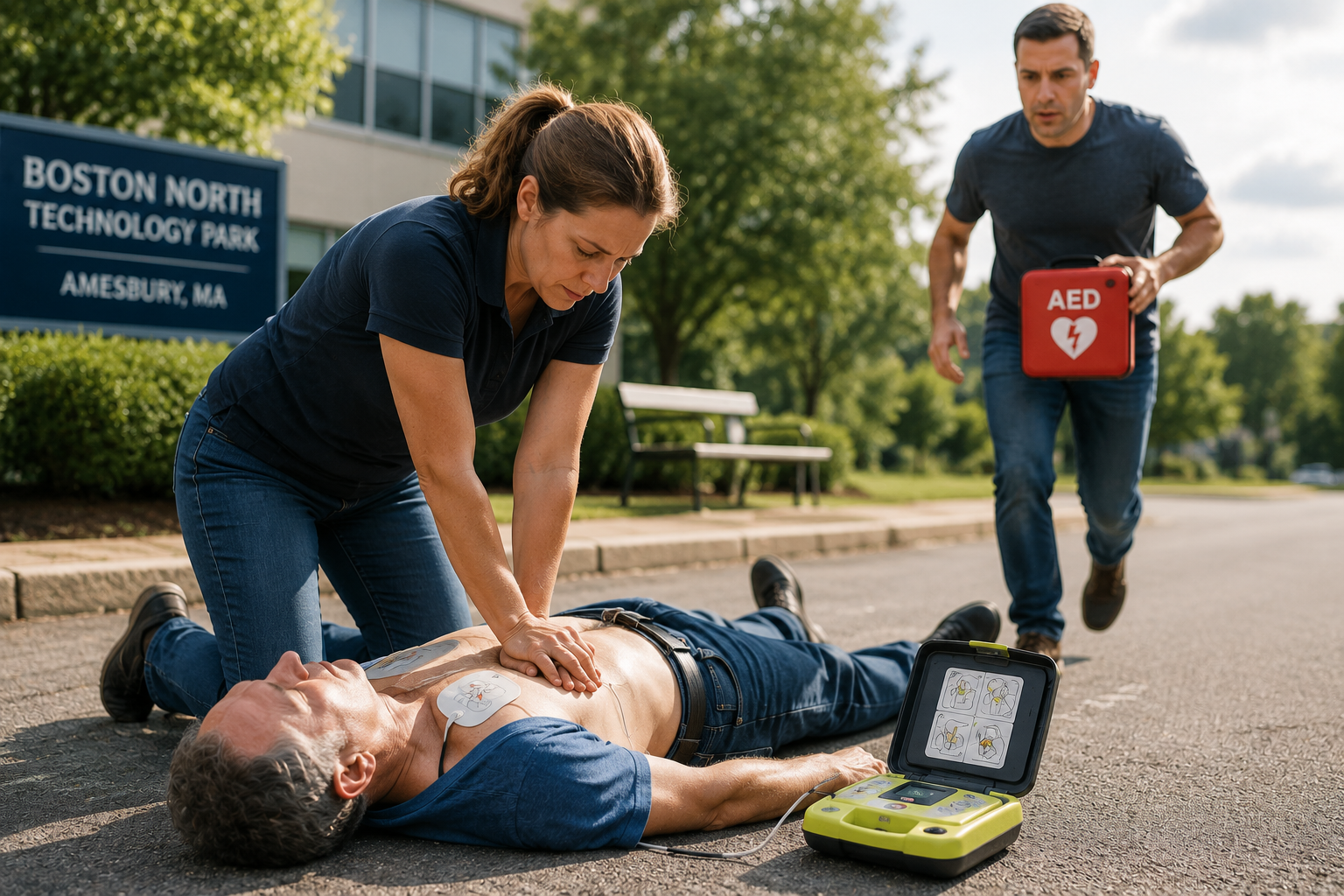
If someone collapses and is unresponsive and isn't breathing normally or is only gasping, treat it as a potential cardiac arrest.
Call 911, follow the emergency dispatcher's instructions, begin CPR, and use an AED as soon as one is available. If other people are present, ask someone to retrieve the AED while you begin helping.
Why CPR and AED Training Matter
You can't predict when a medical emergency will happen. But you can prepare yourself to respond.
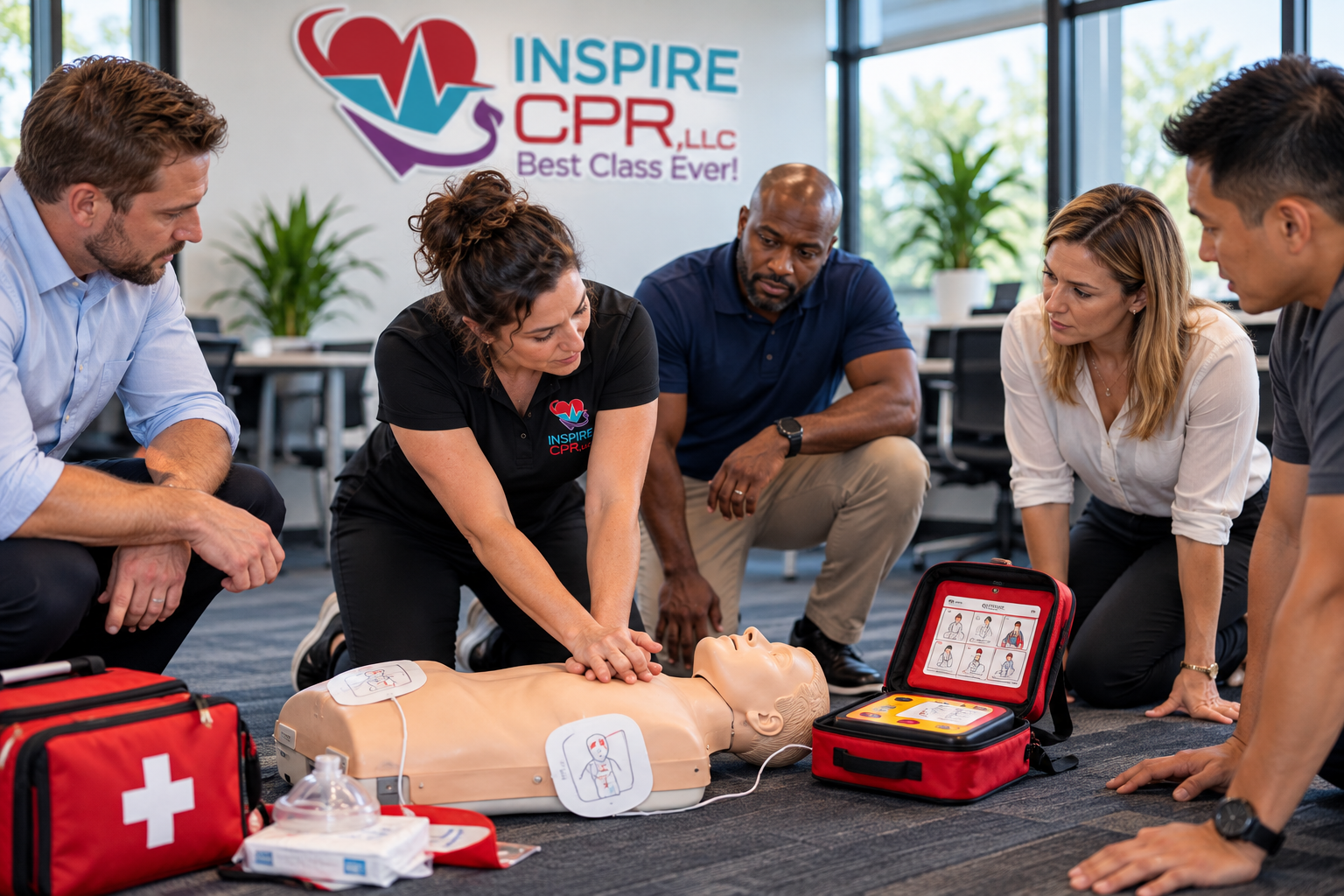
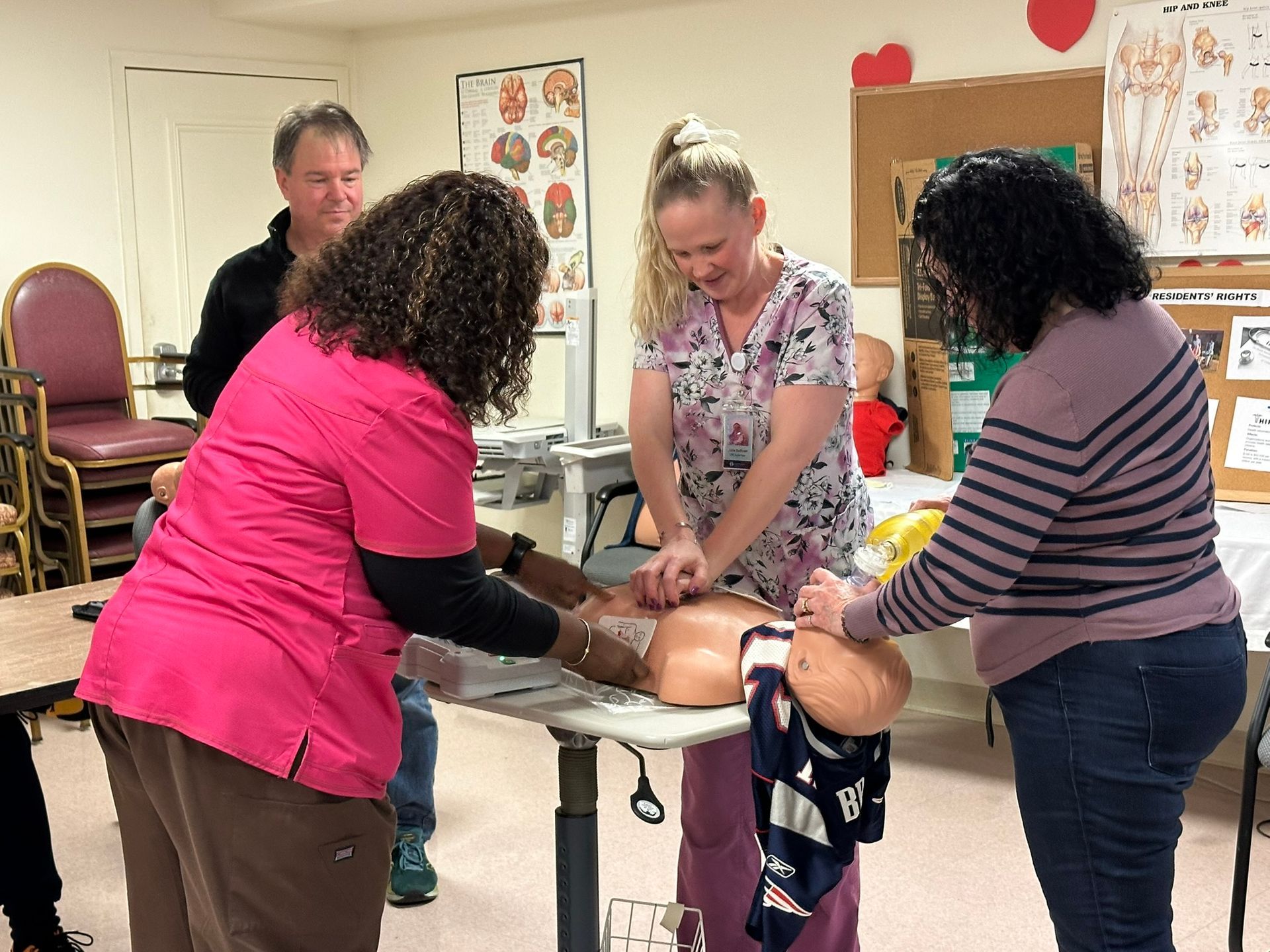
CPR training teaches you how to recognize a cardiac emergency and practice the skills needed to help. Appropriate CPR/AED courses also teach students how to use an AED.
At Inspire CPR, our American Heart Association training helps students build practical skills and confidence in responding to emergencies.
We're located at:
Inspire CPR, LLC
Boston North Technology Park
110 Haverhill Rd, Building C
Amesbury, MA 01913
We serve people seeking CPR classes in Amesbury, MA, and surrounding communities, including Newburyport, Salisbury, Haverhill, Merrimac, Newbury, West Newbury, and Rowley.
Have a Fun Halloween—and Look Out for One Another
Halloween should be a time for costumes, laughter, and spending time with people you care about. Enjoy the celebration, be thoughtful about alcohol, and pay attention to your body's warning signs. If you have a heart condition, follow your healthcare professional's advice about drinking.
And remember that emergency preparedness is a skill worth having all year long.
Explore CPR and AED training with Inspire CPR in Amesbury, MA. Learning today could help you respond when someone needs you tomorrow.
Sources
1. American Heart Association. Alcohol Use and Cardiovascular Disease. https://www.heart.org/en/healthy-living/healthy-eating/eat-smart/alcohol-and-heart-health
2. American Heart Association. Cardiac Arrest. https://www.heart.org/en/health-topics/cardiac-arrest
3. American Heart Association. CPR and First Aid Training Courses. https://cpr.heart.org/en/cpr-courses-and-kits